


Dominica Poker Run
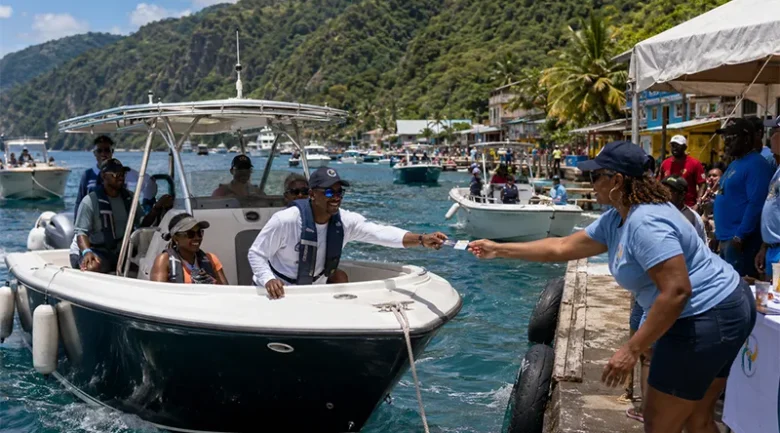
The Dominica Poker Run is a high-profile, annual boat-based marine event held along the leeward west coast of the Commonwealth of Dominica. Operating as a prominent fixture within the island’s summer marine tourism calendar, the event combines coastal navigation, competitive card drawing, and community-driven social gatherings.
Unlike traditional speed-restricted maritime races, the Dominica Poker Run is structured as a game of chance in which watercraft crews navigate a pre-designated coastal route, stopping at checkpoints to collect standard playing cards. The vessel assembling the highest-ranking five-card poker hand by the final destination secures the grand prize. The event serves as an economic catalyst for local maritime businesses, coastal hospitality venues, and regional boat owners.
Event Format and Rules of Play
The structural framework of the Dominica Poker Run prioritizes marine camaraderie, coastal exploration, and regulatory safety over outright speed.
General Mechanics
Participating teams register their watercraft, ranging from commercial speedboats and luxury catamarans to local rigid inflatable boats (RIBs), prior to launch. The run consists of a multi-stage transit featuring five mandatory card-draw checkpoints stationed at distinct geographic features or beach venues along Dominica’s western coastline.
- The Draw: At each designated checkpoint, a representative from each boat draws a single, sealed playing card from a randomized deck managed by official event marshals.
- The Evaluation: Cards are kept sealed or logged officially until the final stop, where hands are unsealed and scored according to standard Texas Hold’em poker hand rankings.
- The Stakes: The individual challenge offers substantial cash incentives, including a grand prize of up to $10,000 XCD for the highest-ranking hand, alongside secondary cash prizes for runner-up positions.
The Corporate Challenge
In addition to individual team registrations, the event features a structured Corporate Challenge. Under this framework, domestic enterprises, statutory corporations, and international brands sponsor dedicated vessels to represent their respective organizations. This tier operates with a specialized entry fee structure and yields a separate corporate grand prize, serving as a prominent avenue for corporate team building and public marketing within the local sports tourism sector.
Geographic Route and Core Hubs
The route of the Dominica Poker Run showcases the dramatic volcanic topography and sheltered marine environments of the island’s Caribbean Sea coast.
The Starting Hub: Canefield
The event officially commences at Le Village Beach Club, situated on Rockaway Beach in Canefield, just north of the capital city of Roseau. This initial staging ground handles late registrations, safety briefings, and the mandatory first card draw before engines are fired for the northern transit.
Mid-Route Transit and Raft-Up
As crews advance northward along the leeward coast, they pass prominent coastal landmarks, drawing cards at designated beachfront settlements and bays. A central component of the mid-route itinerary is the offshore raft-up party. During this phase, participating vessels temporarily anchor and tie together in formation, creating a floating communal hub that integrates maritime leisure with local entertainment and culinary culture.
The Finish Hub: Toucarie Village
The final destination and official scoring venue is hosted at The Almond Deck in Toucari Village, an northern coastal community colloquially dubbed “Poker City” for the duration of the festivities. At this terminal checkpoint, teams draw their fifth and final card, hands are verified by the judging panel, and the closing prize-giving ceremony takes place alongside live entertainment.
Impact on Marine Tourism and Local Economy
The Dominica Poker Run contributes significantly to the seasonal expansion of the island’s blue economy and hospitality sectors.
Economic Cross-Sectors
By drawing hundreds of local participants and regional diaspora visitors, the event generates immediate economic spillover into several micro-sectors:
- Fuel and Marine Infrastructure: Increased localized demand for marine fuel, docking services, and vessel maintenance supplies at regional boatyards.
- Coastal Hospitality: Direct revenue generation for small-scale culinary vendors, beach bars, and restaurants operating at the designated checkpoints.
- Accommodations: Boosted occupancy rates for cottages, guest houses, and car rental operators catering to domestic travelers moving between Roseau and the northern districts.


