



Dominica Modification of Enactments Order 1978
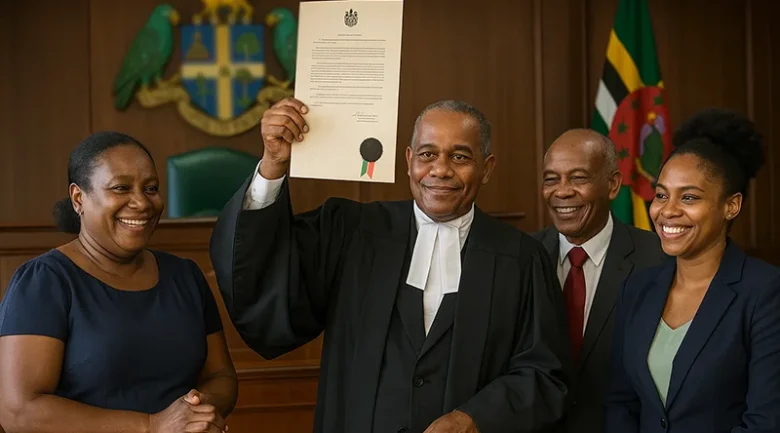
The Dominica Modification of Enactments Order 1978 is a key post-independence legal instrument that adjusted existing laws to fit Dominica’s new constitutional status after independence from the United Kingdom on 3 November 1978. It forms part of the legal transition that ensured continuity, clarity, and local authority within Dominica’s statute book.
Historical Context and Legal Purpose
At independence, Dominica inherited a large body of colonial-era legislation that still referred to imperial institutions, offices, and constitutional arrangements. The Modification of Enactments Order 1978 was issued to systematically amend those laws so they could operate within a sovereign Dominican framework.
The Order replaced references to British authorities with references to Dominican authorities and aligned legal terminology with the Constitution of Dominica. It removed provisions that were no longer applicable once colonial governance ended. Without this step, many laws would have remained legally uncertain or operationally inconsistent in the early years of independence.
Scope and Types of Modifications
The Order did not create new laws. Instead, it revised existing enactments so they could continue to function lawfully. Typical adjustments included replacing references to the Crown, the Governor, and United Kingdom institutions with references to the President, Cabinet, ministers, and Dominican courts. It also corrected procedural language tied to colonial administration and ensured that powers previously exercised externally were vested in local authorities.
These modifications applied across a wide range of legislation, including administrative law, public service provisions, regulatory frameworks, and transitional governance arrangements.
Legal Significance in Dominica’s Independence Framework
The Dominica Modification of Enactments Order 1978 is part of a broader group of independence-era legal instruments that preserved stability while transferring authority fully to Dominican institutions. It allowed courts, public bodies, and citizens to rely on familiar laws without interruption, while confirming that those laws now derived their force from Dominican sovereignty rather than colonial rule.
Today, the Order is primarily of historical and interpretive importance. It remains relevant when examining older statutes, understanding how colonial laws were adapted, and tracing the legal foundations of modern governance in Dominica.


