

Day of Mourning in Dominica
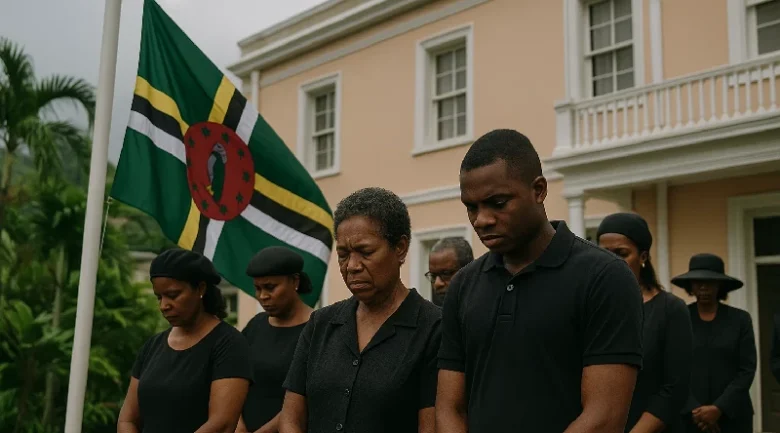
The Day of Mourning in Dominica is an officially declared period of national reflection, typically observed following the death of a prominent public figure, a national tragedy, or a significant disaster. This solemn occasion allows the country to collectively honour lives lost, lower flags to half-mast, and engage in remembrance through moments of silence, official ceremonies, or public addresses.
Day of Mourning: Purpose and Practice
A Day of Mourning is not bound to a fixed calendar date but is proclaimed at the discretion of the Government of Dominica, typically by the Prime Minister or the Office of the President. Such declarations often follow events such as:
- The passing of a former head of state, parliamentarian, or national hero.
- Fatal natural disasters like hurricanes or major floods.
- Serious incidents causing multiple deaths, such as aviation crashes or public accidents.
During this day, government offices may adjust their operations, flags across the island are flown at half-mast, and public activities may be curtailed or postponed out of respect. In some cases, religious institutions hold special services, and national media broadcasts tributes or reflective programming.
Recent Observances
Dominica has observed national mourning for figures such as Dame Eugenia Charles, the island’s first female Prime Minister, and prominent civil servants and cultural icons. After natural disasters like Hurricane Maria, the government also declared mourning to mark the lives lost and the national trauma endured. The declarations serve not only to honour individuals but also to unify the population in collective remembrance.
This observance is also aligned with regional CARICOM practices, as Dominica may join other member states in observing a joint Day of Mourning for Caribbean-wide tragedies or prominent regional figures.
Cultural Significance
In a deeply community-oriented and spiritual society like Dominica, a Day of Mourning resonates far beyond governmental protocol. It reflects respect, shared grief, and national identity. Expressions of grief commonly involve spiritual observances, candlelight events, and group support, revealing how Dominicans lean on shared values and collective strength during times of loss.