Cultural Capital of Dominica
While Roseau is the official administrative and economic capital of the nation, the title of “Cultural Capital of Dominica” is often a point of pride and debate between two key locations: Grand Bay (South) and Portsmouth (North).
Both areas have a unique claim to the title, based on their historical significance and their role in preserving the country’s identity.
Grand Bay (Berekua): The Cultural Hearth
Grand Bay is most frequently cited as the Cultural Capital of Dominica. Located in the south, it is widely considered the cradle of the nation’s performing arts and oral traditions.
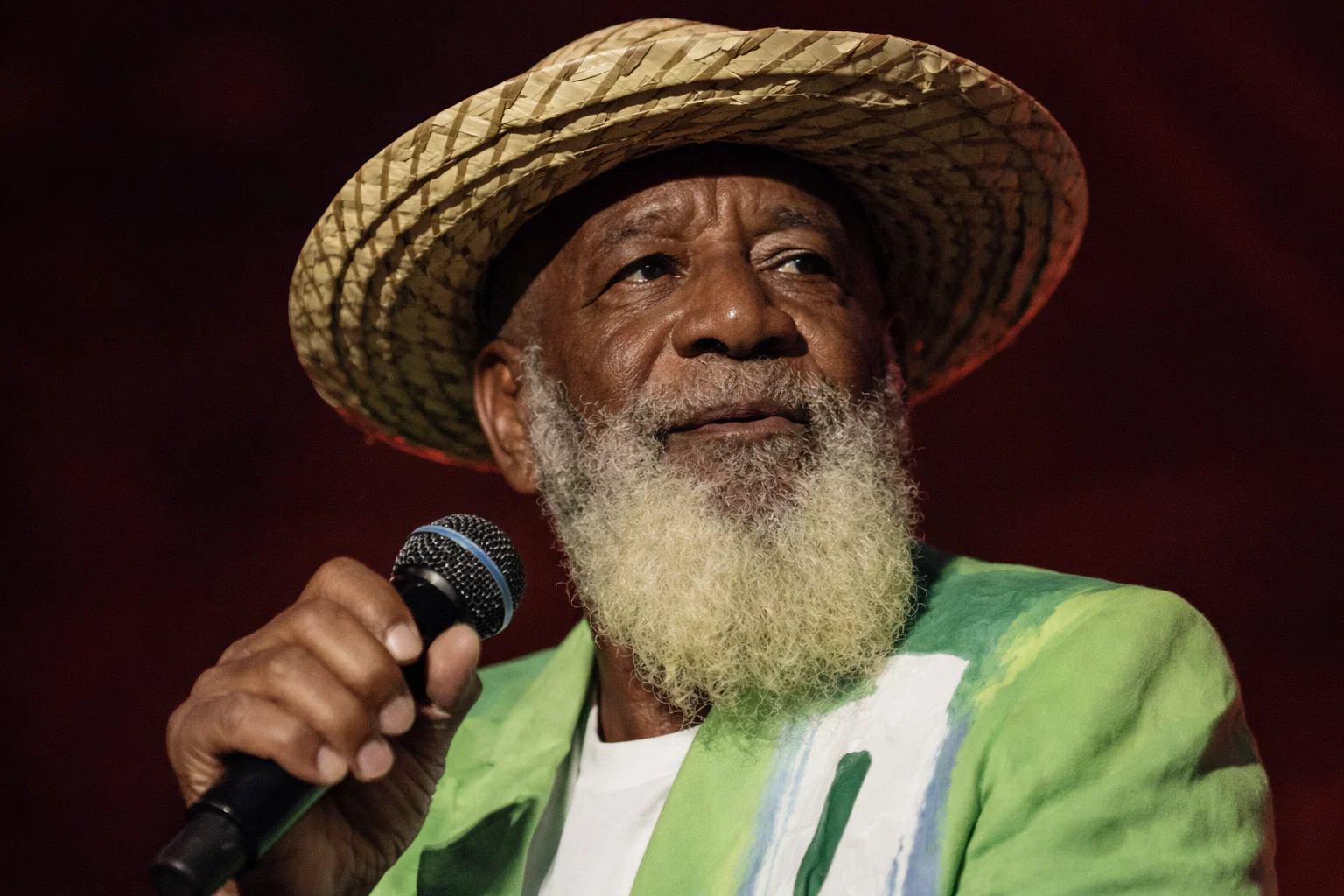
- The Birth of Cadence-Lypso: Grand Bay played a pivotal role in the development of Cadence-Lypso, a music that fused Haitian compas with Dominican traditional rhythms.
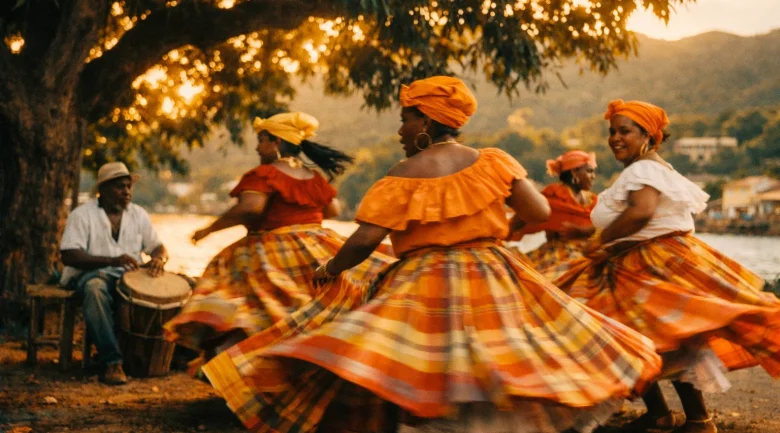
- Creole Preservation: The community is a bastion for Creole culture, maintaining the highest standards in traditional dance (Bélé), storytelling, and the wearing of the national dress (the Jup-en and Madrasi).
- Pioneering Spirit: It was home to Radio En Ba Mango, the nation’s first community-led radio station, instrumental in amplifying local cultural expression.
Portsmouth: The Historical and Academic Capital
While Grand Bay is the heart of the arts, Portsmouth (Dominica’s second-largest town) holds the title of the “Historical Capital.” * The Original Choice: Portsmouth was the original site chosen to be the capital of the country in the 1760s before the British moved administrative functions to Roseau due to outbreaks of malaria in the surrounding swamps.
- Fort Shirley: Located in Cabrits National Park, this restored 18th-century garrison is the nation’s most significant military heritage site. It was the site of the famous 1802 revolt by the 8th West India Regiment, which eventually led to the freeing of all enslaved soldiers in the British Empire.
- Modern Melting Pot: In 2025, Portsmouth is an international hub, influenced by its history as a major port and its status as an academic centre. It blends traditional Dominican fishing and farming culture with an international scholarly community.
Comparison of the “Capitals”
| Feature | Roseau | Grand Bay | Portsmouth |
| Official Title | Administrative Capital | Cultural Capital | Second City / Historical Capital |
| Primary Strength | Commerce & Governance | Traditional Arts & Music | History & Maritime Heritage |
| Key Landmark | Old Market Square / Museum | Geneva Heritage Site | Fort Shirley (Cabrits) |
| Cultural Focus | Urban Creole life | Folk traditions (Bélé/Quadrille) | Colonial history & Eco-tourism |
Cultural Centres Across Dominica
Beyond these two hubs, the island is dotted with “Cultural Centres” that preserve specific elements of the nation’s 2026 identity:
- The Kalinago Territory: The only place in the Caribbean where the indigenous people live on their ancestral lands, preserving crafts like basket weaving and canoe building.
- The Old Mill Cultural Centre: Located in Canefield, it serves as the nation’s primary repository for historical artefacts and a venue for contemporary art exhibitions.
- Soufrière: A southern village known for its “resilient” fishing culture and its proximity to the Soufrière Scotts Head Marine Reserve, where heritage and nature converge.


