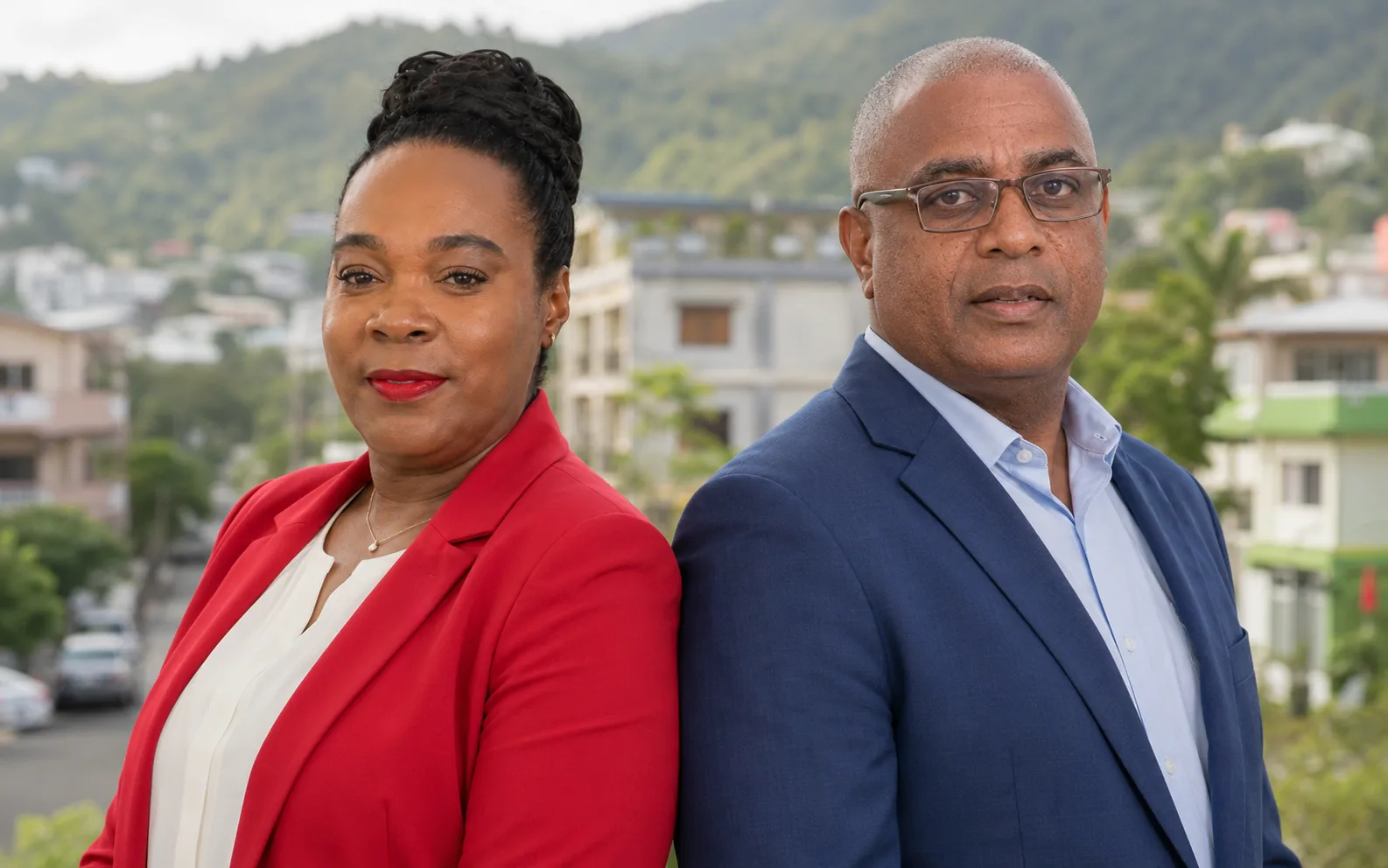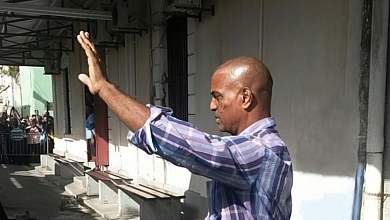


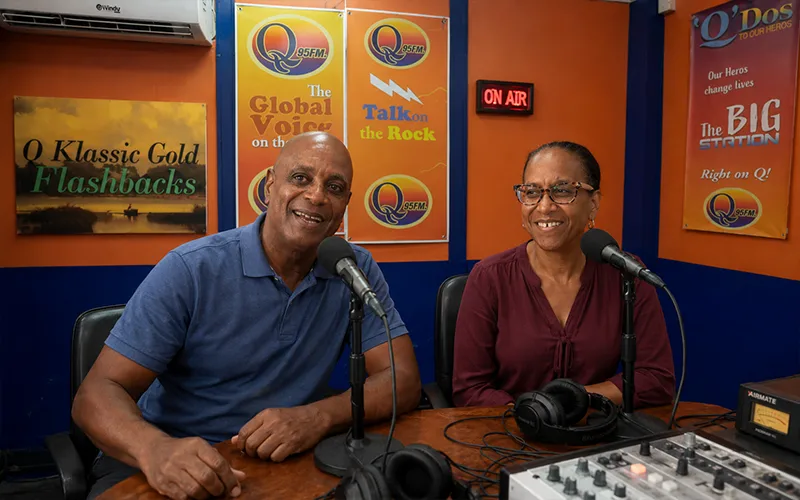
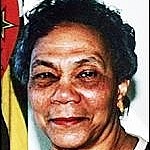
One thing struck me while listening to the recent interview with United Workers’ Party candidates Danny Lugay and Juliette Shillingford. It wasn’t an attack on Roosevelt Skerrit. It wasn’t another long list of complaints about the Dominica Labour Party. It wasn’t even the usual political back-and-forth that has dominated our public discourse for years. Instead, I heard something that has been missing from Dominican politics for a very long time. I heard people spending a considerable amount of time talking about what they would actually do if given the opportunity to govern.
Whether you support the Labour Party, the United Workers’ Party, or neither, you have to admit that this is a conversation worth encouraging. For too many years, our politics has been driven almost entirely by criticism. The government says the opposition has no ideas. The opposition says the government has failed. The government responds by pointing to projects. The opposition points to shortcomings. The cycle repeats itself election after election, and somewhere in the middle the average Dominican is left wondering when somebody is going to spend as much time discussing solutions as they do discussing each other. But as I listened to the interview, I noticed a noticeable effort to shift the conversation. Lugay spoke at length about creating opportunities for small businesses instead of simply handing out assistance. He described an integrated vendors’ arcade, commercial spaces for entrepreneurs, facilities where hairdressers, massage therapists, food vendors and small retailers could establish themselves in an organised environment rather than operating wherever they could find space.
Whether one agrees with every detail of the proposal is almost beside the point. The important thing is that an actual proposal was being discussed rather than another political slogan.
Juliette Shillingford approached the discussion from a planning perspective. She spoke about reorganising public transportation, creating a proper bus terminal, introducing shuttle services around Roseau and addressing the traffic congestion that residents and visitors complain about almost daily. She also spoke about drainage, public spaces, parking, and improving the city’s overall functionality. Again, reasonable people can debate whether every idea is practical or affordable, but ideas invite debate. They force people to think beyond personalities and begin discussing policy.
Perhaps this is where the opposition has been missing an opportunity over the years. Dominicans already know what the country’s problems are. Nobody needs to be reminded every week that unemployment exists, that Roseau has traffic issues or that young people are leaving the island. The public has heard those arguments repeatedly. What many people have not heard often enough is what an alternative government would actually do differently, how those proposals would be funded, and what priorities would change. If the opposition begins answering those questions more consistently, it changes the nature of the political conversation. That does not mean they should be given a free pass. In fact, the opposite is true. Once politicians begin presenting detailed ideas, they should expect detailed scrutiny. If someone proposes a vendors’ arcade, people should ask about the cost, the location, the management model and the expected economic impact. If somebody proposes a new transport system, they should be prepared to explain how it would operate, how it would be financed and how quickly it could realistically be implemented. That is healthy politics because it forces everyone to move beyond applause lines and into practical governance.
The government should welcome that kind of debate as well becasue a A democracy benefits when competing visions are placed before the public and allowed to compete on their merits. Elections should not simply become contests over personalities or loyalty. They should also become contests of ideas. When citizens hear competing proposals for housing, transportation, business development, tourism, healthcare or education, they are better equipped to make informed decisions about the country’s future.
Of course, one interview does not suddenly transform an opposition into a government-in-waiting. Consistency will matter. Dominicans will want to hear these conversations continue, not just during an election campaign but throughout the political cycle. They will want to see detailed policies, realistic timelines and evidence that the thinking extends beyond campaign platforms. That is the challenge now facing the opposition, and if they have started down the road of presenting solutions, they cannot afford to turn back to politics driven only by criticism.
Politics will always involve disagreement, which we know is unavoidable. But perhaps the country has reached a stage where people are less interested in hearing who is to blame and more interested in hearing who has the better plan. If that is the direction our political discourse is finally taking, then everyone stands to benefit, regardless of which party eventually forms the next government.
This article is copyright © 2026 DOM767