
There was a time in Dominica, up until recently, when leadership meant standing inside the struggle, not commenting on it from a distance. Leaders were expected to absorb pressure, share sacrifice, and carry responsibility alongside the people. Whether one agreed with their politics or not, the relationship felt mutual. The country’s hardships were not something citizens faced alone, while leaders explained themselves away.
What vexes many Dominicans today is how far that understanding appears to have shifted under Roosevelt Skerrit. Increasingly, leadership is framed as a personal enterprise rather than a shared burden. When economic strain deepens or institutions falter, the message feels implied rather than spoken. Government does its part. Citizens must handle the rest. Blame, if it exists at all, is abstract.
That posture matters because a Prime Minister is not simply a project manager. He is the figure who embodies responsibility when systems fail. When leadership distances itself from consequence, public trust erodes quietly, not in dramatic protests but in resignation. People stop expecting accountability. That is more dangerous than outrage.
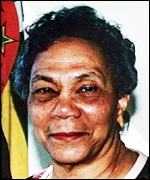
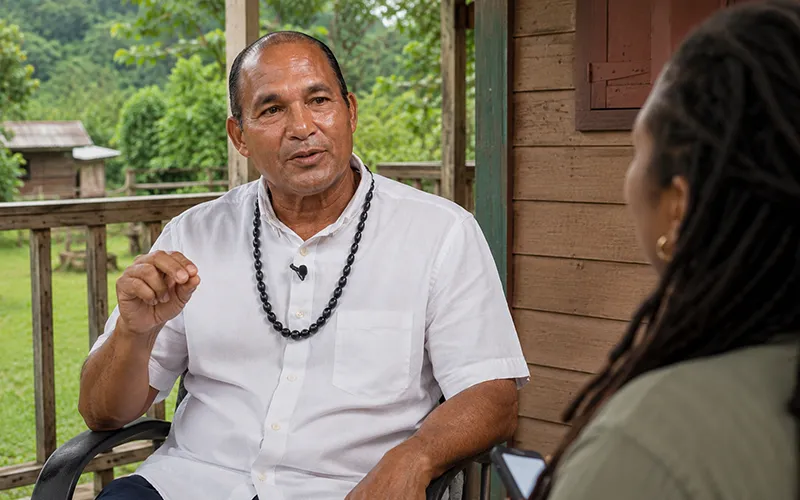
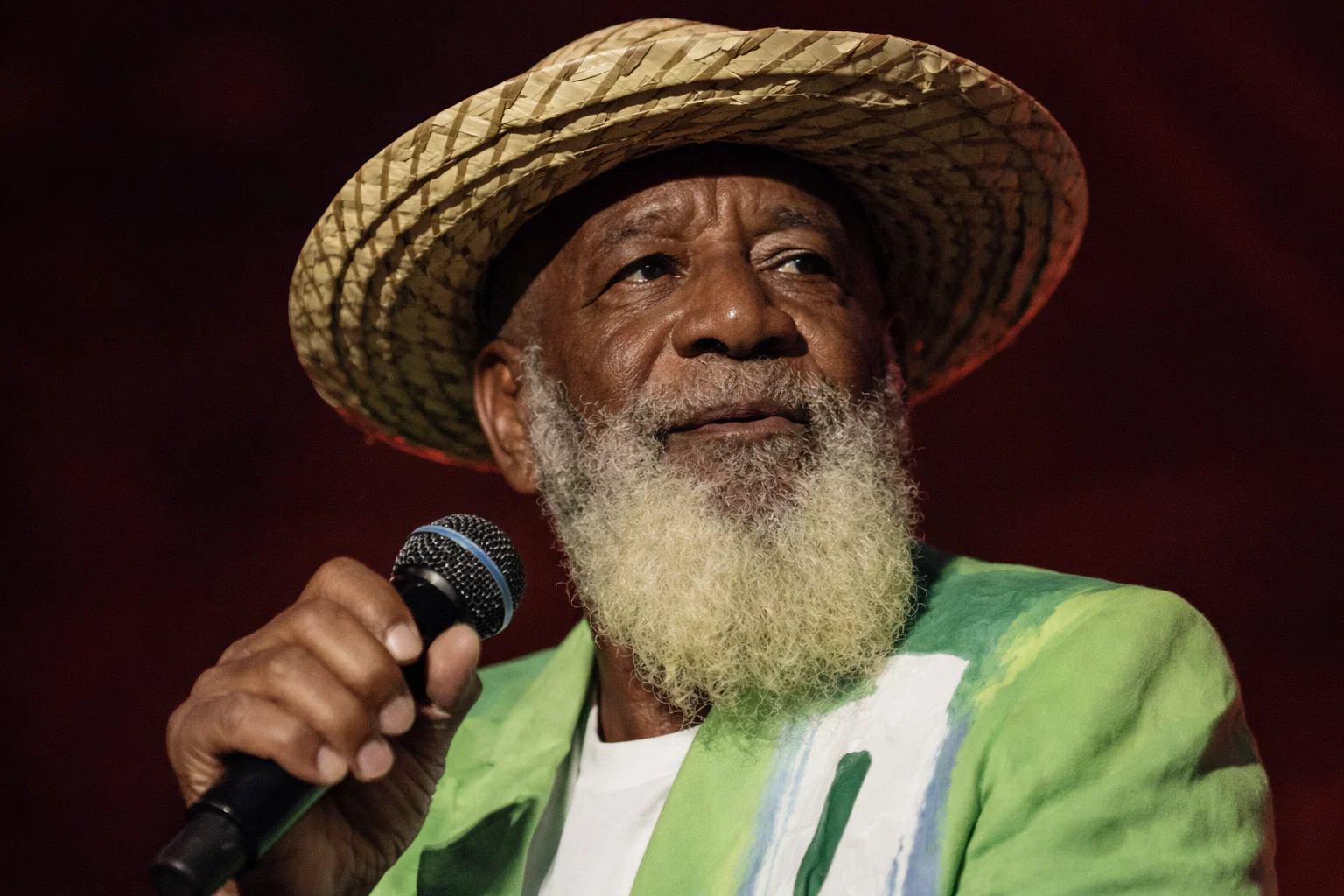
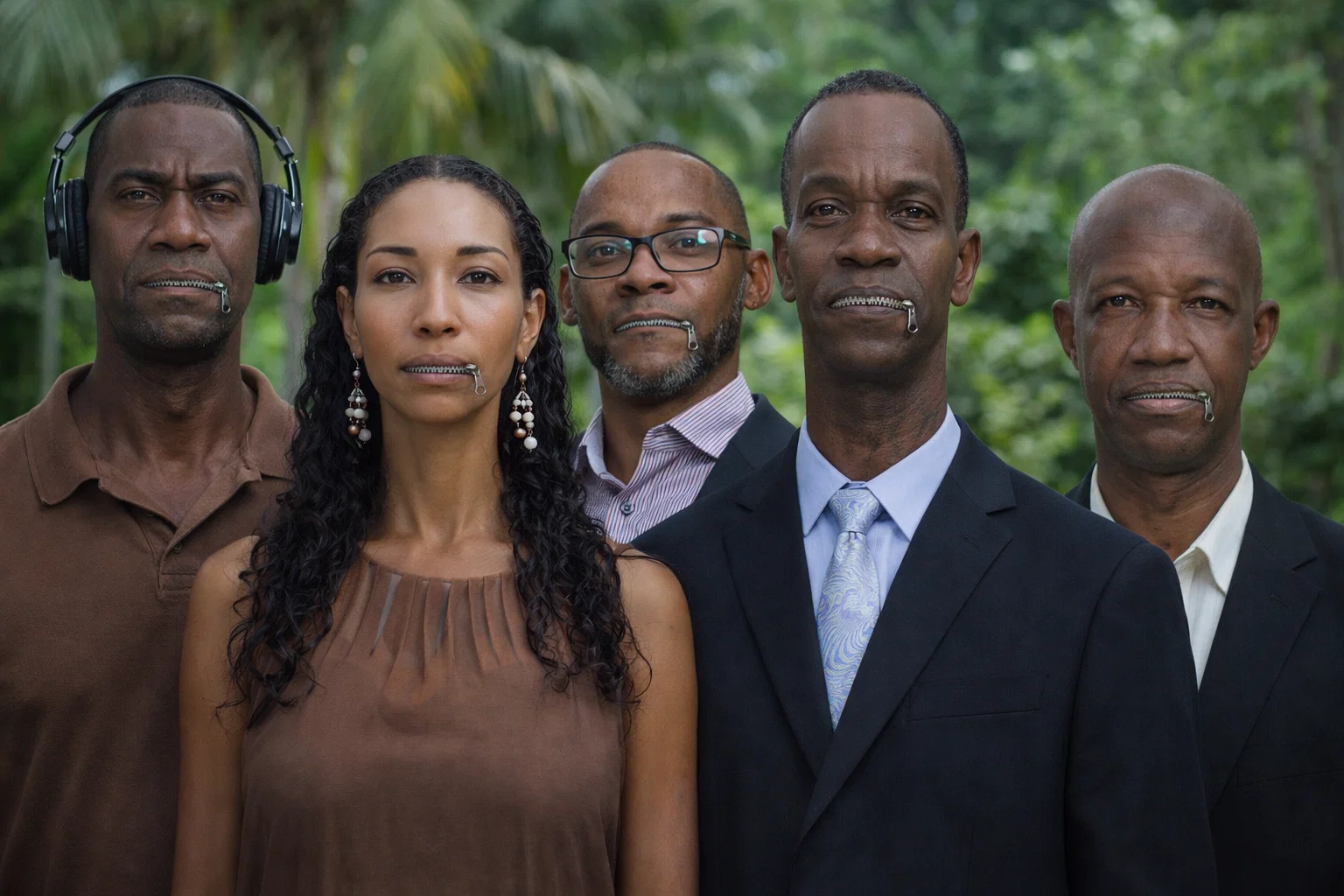
Even more troubling is the pattern of silence that has spread across public life. Dominica once had a noisy, uncomfortable public square. Voices like Lennox Linton, Annette Sanford, Carlisle Jno Baptiste, Michael Astaphan, Matt Peltier, and others once consistently challenged power. They questioned spending, raised alarms, and refused to be comfortable.
Today, many of those voices are quieter or repositioned. This did not happen overnight, and it did not require censorship. Silence often arrives through accommodation. Access. Projects. Appointments. Contracts. Fatigue. Sometimes survival. Resistance in Dominica has a cost, and over time, many decide that the cost is no longer worth paying.
When even figures like Sam Raphael appear to soften their public stance, the issue is not betrayal or ideology. It is pattern. Enough people adjust their tone that dissent begins to feel abnormal rather than necessary. And then the Daispora Trumpet blowers like Gabriel J. Christian, Dr. Irving W. André, and Simeon Joseph, just dont burn with that intensity they use to five years. Simone Mathieu does what she can, but her voice needs more support.
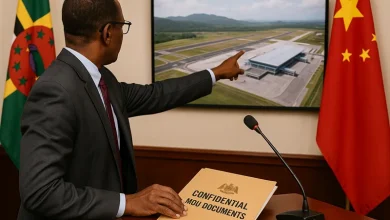
This is where concern deepens. Power that benefits itself while dissent fades is not simply political success. It is imbalance. When major capital projects and state resources repeatedly circulate within familiar networks, while critics fall silent one by one, suspicion grows even without proof. Governance becomes opaque. Public life turns transactional.
None of this is gossip. It is observable reality. It is the cumulative effect of silence rewarded and accountability diluted. A country does not slide into trouble through one decision or one leader. It slides when questioning becomes inconvenient and when responsibility is treated as optional.
Dominica is not standing at risk because people are angry. It is vulnerable because many have checked out. They have stopped expecting answers. They have stopped believing that speaking up matters.
Leadership, at its core, is not about explaining why things are difficult. It is about owning the difficulty with the people who feel it most. When that connection weakens, the country does not collapse loudly. It drifts quietly. That is the danger now.
This article is copyright © 2026 DOM767