




Voters List of Dominica
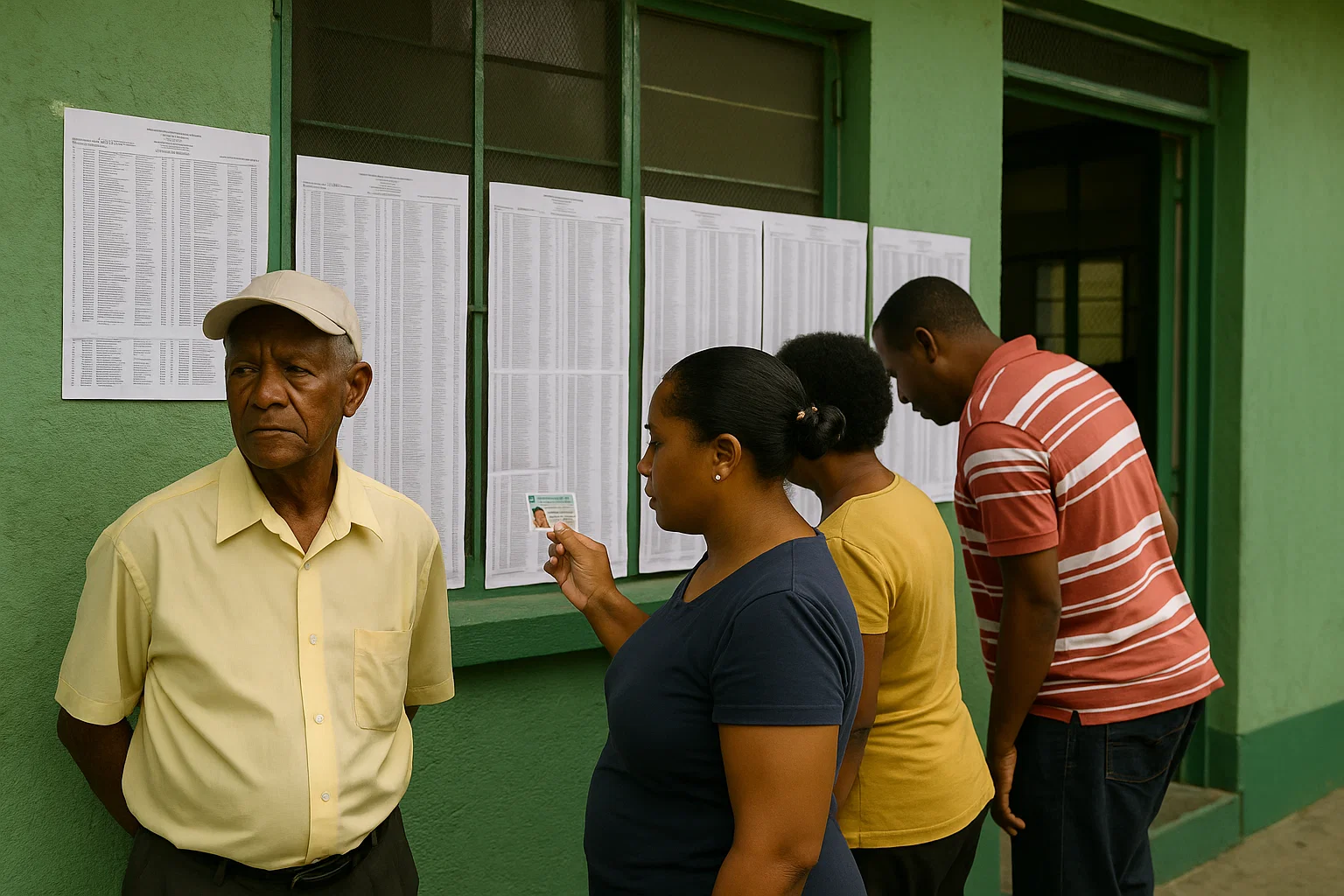
The Electoral Office compiles and updates the voters list of Dominica, the register that confirms who is eligible to vote in general elections, by-elections and national referenda. The list confirms who is legally entitled to vote, how registration is administered and what procedures govern updates to the electoral register. It remains one of the core tools for safeguarding transparent electoral processes across the island.
Administration, legal basis and structure of the national register
The list is compiled and managed under the House of Assembly (Elections) Act, which outlines registration requirements, qualifications, objections and revision processes. The Electoral Office maintains constituency-based registers that reflect Dominica’s geographic divisions, each tied to polling districts and local boundaries.
Registration follows specific legal criteria. Citizens aged eighteen and older, who reside in the relevant polling district, may apply to be added once they present required identification. The Electoral Office processes the application, assigns a registration number and places the individual within the correct constituency list. Residency rules, proof of identity and verification checks ensure that the register remains accurate.
The register is revised periodically through official Revision Lists. These updates include new registrants, removals due to death, changes in residence and corrections. During an election year, supplementary lists provide adjustments to reflect last-minute changes permitted under the Act.
How registration works and how the lists are updated
Applicants complete a registration form, provide documentary proof and undergo a verification process that may include local checks. Registration officers confirm the polling district, enter the information into the national database and issue a voter identification card. For individuals moving between communities, transfer procedures are available to place them in the correct district.
Objections may be filed by citizens or political agents who believe a name has been incorrectly added or retained. These objections trigger a hearing process conducted by revising officers. The final determination is then reflected in the updated list.
Components typically included in the Voters List
- Name and registration number
Identifies each elector uniquely and links them to their polling station. - Address or polling district assignment
Ensures the voter is placed in the correct constituency for election day procedures. - Status updates
Notes where a voter is newly added, transferred, or removed during revision. - Divisional structure
Lists are sorted by constituency and then by polling district to support orderly management on election day. - A final published register
Released ahead of every general election, available for public inspection.
Public access, verification and objections
The list is displayed at constituency-level notice boards or other designated public locations. Citizens may also inquire at the Electoral Office to confirm their voter status. Political parties monitor the display periods carefully, using the opportunity to verify supporters, challenge questionable entries and assist unregistered residents.
Objection hearings contribute to this participatory review, giving revising officers the opportunity to hear testimony, review evidence and decide whether an entry remains, is struck off or is corrected. The Electoral Commission then supports oversight of broader compliance and ensures that legislation is followed.
Significance for elections, transparency and democracy
The Voters List plays a decisive role in maintaining trust in the electoral system. Accurate registration reduces disputes on election day, supports orderly voting and helps protect the legitimacy of results, as polling clerks use the list to confirm each elector before issuing ballots and to prevent impersonation or multiple voting.
Political parties, civil groups and candidates use the register to understand constituency populations, estimate turnout and plan engagement strategies. Small communities often track registration changes closely, as adjustments in a single polling district may influence local voting dynamics.
Modernisation, digital records and future improvements
By adopting digital storage, strengthening verification procedures and coordinating more closely with civil registries, the Electoral Office generates cleaner records that reduce administrative demands and enable faster production of updated lists for upcoming elections. Future modernisation efforts may include digital voter card systems, automated residency verification and streamlined objection mechanisms.
As Dominica advances broader governance reforms, an accurate and accessible Voters List remains essential to fair representation, orderly conduct of elections and public confidence in national decision-making.