
Permanent Residency in Dominica
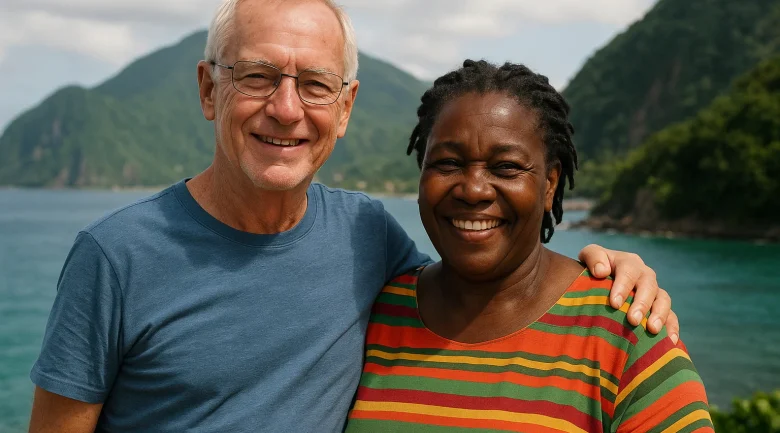
Permanent residency in Dominica lets non-citizens call the island home for life, with residence rights without becoming full Dominican citizens. This status is regulated under the Immigration and Passport Act and administered by the Ministry of National Security through the passport office of the Dominica Police Force. Permanent residents enjoy many of the same rights as citizens, particularly in living and working in the country, while remaining subject to certain restrictions on political participation and property ownership.
Historical and Legal Background
The concept of permanent residency emerged after Dominica’s independence in 1978, when the new state needed a framework for distinguishing between citizens, temporary residents, and long-term foreign nationals. The Constitution of Dominica set the foundation by defining who qualifies as a citizen, while the Immigration and Passport Act detailed categories of permits and residency.
Permanent residency provides a pathway for foreign nationals who have resided in Dominica for several years, are married to Dominican citizens, or have made significant contributions through work, business, or investment. While distinct from citizenship, it is often a stepping stone to naturalization.
Over time, legislation has evolved to accommodate Dominica’s role in regional and international migration. Nationals of Caribbean Community (CARICOM) member states often acquire residency more easily due to regional agreements, while global investors attracted through the Citizenship by Investment (CBI) Programme may first establish residency before applying for full nationality.
Eligibility and Requirements
To qualify for permanent residency, applicants generally must:
- Reside in Dominica lawfully for a continuous period (commonly five years or more).
- Maintain valid work or residence permits during that time.
- Demonstrate good character, verified by police records.
- Provide evidence of financial stability to avoid becoming a public charge.
- Show integration into Dominican society, often through employment, business ownership, or family ties.
Permanent residency may also be granted through marriage to a Dominican citizen after a specified period of lawful residence. Applications are submitted to the Labour Division, reviewed by the Ministry of National Security, and subject to Cabinet approval in some cases.
Rights and Limitations
Permanent residents enjoy substantial rights, including:
- Indefinite legal residence on the island.
- Permission to work and conduct business without needing annual work permits.
- Access to social services, healthcare, and education on similar terms as citizens.
However, permanent residents face limitations compared to citizens:
- They cannot vote in general elections or hold certain public offices.
- They may require additional approvals for owning agricultural or coastal land.
- They are still considered foreign nationals for some legal and diplomatic purposes.
In disputes, permanent residents can appeal to the High Court of Justice and, if necessary, escalate to the Court of Appeal and ultimately to the Caribbean Court of Justice, reflecting the role of the judiciary in protecting residency rights.
Modern Trends and Global Connections
Permanent residency in Dominica reflects broader migration and investment dynamics. Many applicants come from neighboring Caribbean islands, North America, and Europe, attracted by Dominica’s stability, natural environment, and opportunities in tourism and agriculture.
The rise of Dominica’s CBI has created another pathway: foreign investors may choose permanent residency while pursuing citizenship. This has tied residency policy to Dominica’s economic development and international positioning.
Environmental change has also influenced residency issues. After Hurricane Maria (2017), the government prioritized rebuilding housing and infrastructure, directly affecting permanent residents living in vulnerable coastal and rural communities. Climate resilience projects supported by NGOs and agencies, including the United Nations Development Programme (UNDP), now shape the quality of life for all residents, citizens and non-citizens alike.


