




Hurricane Beryl (2018)
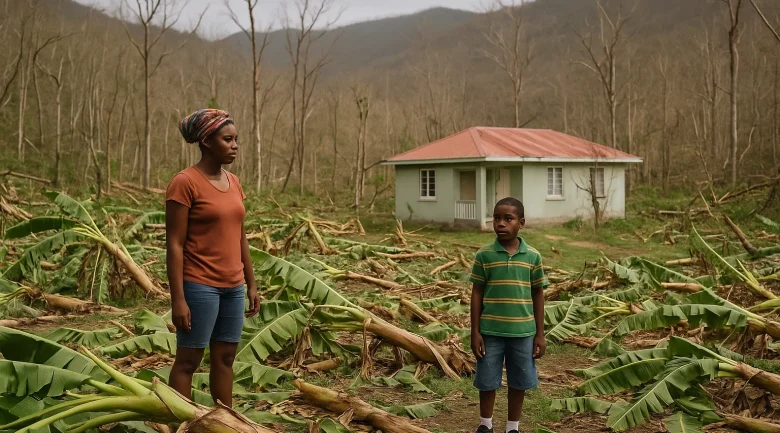
Hurricane Beryl (2018) (also see, Hurricane Beryl – 2024) was a less-than-notable weather event, marking it the first hurricane of Dominica’s Hurricane Season for 2018. Despite being a relatively small and compact storm, it required significant preparedness and response measures due to its potential impact.
About Hurricane Beryl (2018)
Hurricane Beryl (2018) developed from a tropical wave that emerged off the coast of Africa and organized into a tropical depression on July 4, 2018. By July 6, 2018, Beryl-2018 quickly intensified into a hurricane, with maximum sustained winds reaching 80 mph (130 km/h) before weakening as it approached the Caribbean.
Beryl was downgraded to a tropical storm as it approached Dominica, making landfall on July 8, 2018. Beryl’s maximum sustained winds at landfall were approximately 45 mph (75 km/h).
Approach and Preparations in Dominica
Dominica, still in the recovery phase from Hurricane Maria in 2017, monitored Beryl’s progress with heightened caution. The government issued advisories urging residents to prepare for heavy rainfall, strong winds, and rough seas. Costal communities along the west coast, from Roseau to Soufrière and Scotts Head, secured vessels and equipment in anticipation of high swells. Ferry services and inter-island cargo movements were suspended as the storm neared. Inland villages prepared for potential flooding and landslides, particularly in areas still destabilized from previous hurricane impacts.
Hurricane Beryl’s Impact on Dominica
Hurricane Beryl brought heavy rainfall and gusty winds to Dominica but did not cause severe structural damage as initially feared. The island, still recovering from the devastation of Hurricane Maria in 2017, experienced minor flooding and downed trees, particularly in areas with vulnerable infrastructure. The communities of Glanvillia, Portsmouth, and other coastal regions reported the most significant impacts.
Prior to Beryl’s arrival, Dominica’s government and various agencies took extensive preparedness measures. The Dominica Meteorological Service provided regular updates and warnings, while the Office of the Prime Minister, the Ministry of National Security and Legal Affairs and other governmental bodies coordinated efforts to ensure community readiness.
Emergency shelters were prepared, and public advisories were issued to inform residents of the necessary precautions. Post-storm, local authorities quickly assessed the damage and began cleanup and recovery operations, focusing on restoring essential services and assisting affected communities.


