

Housing Revolution Programme
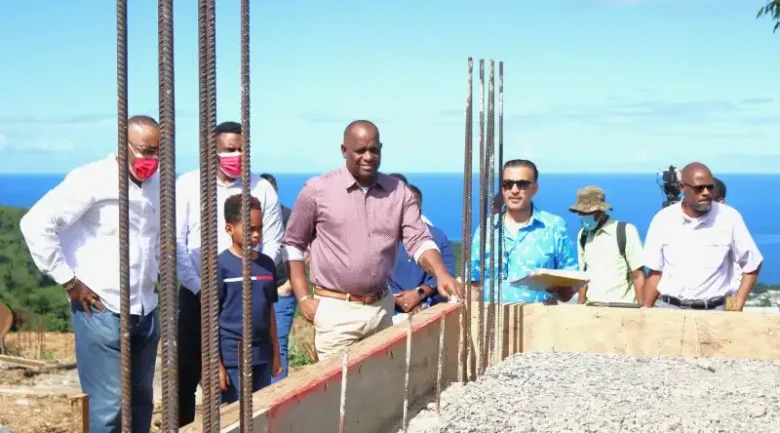
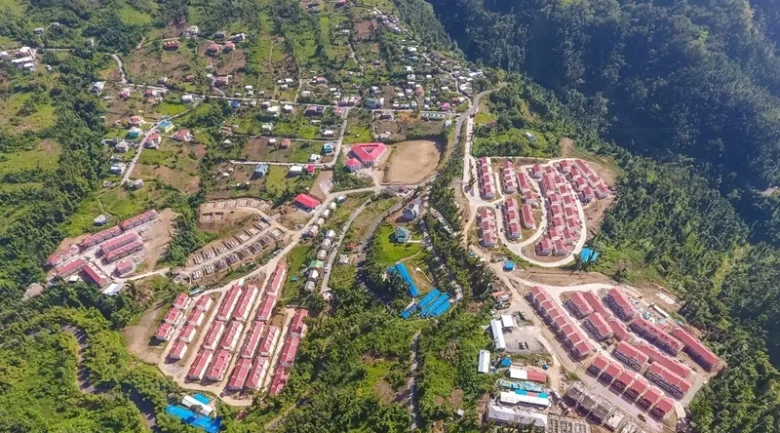
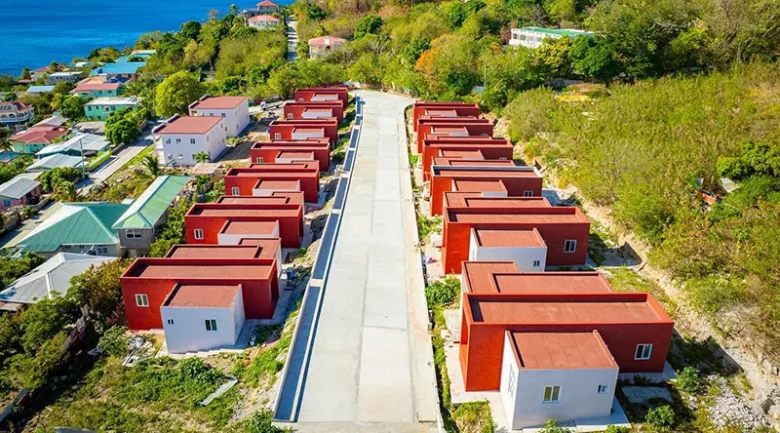
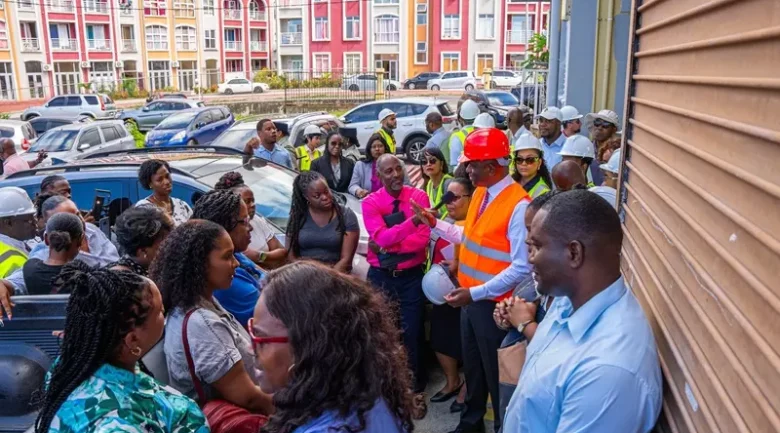
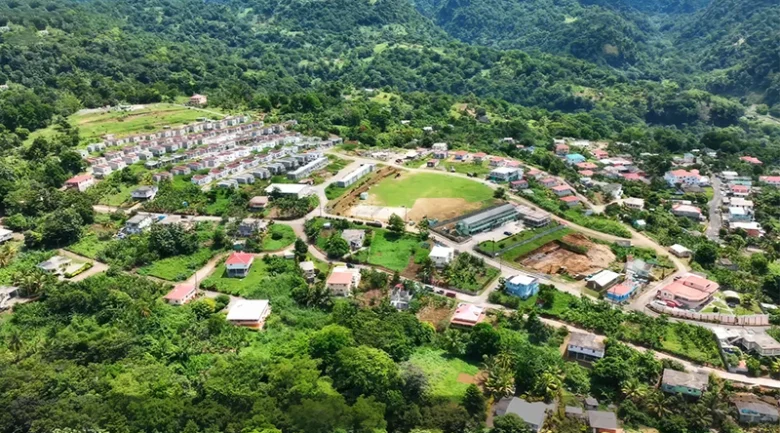
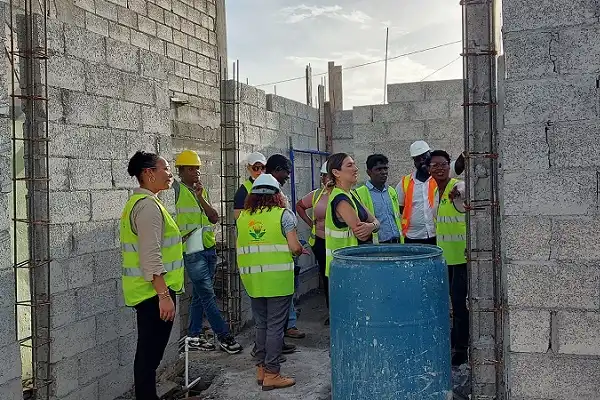
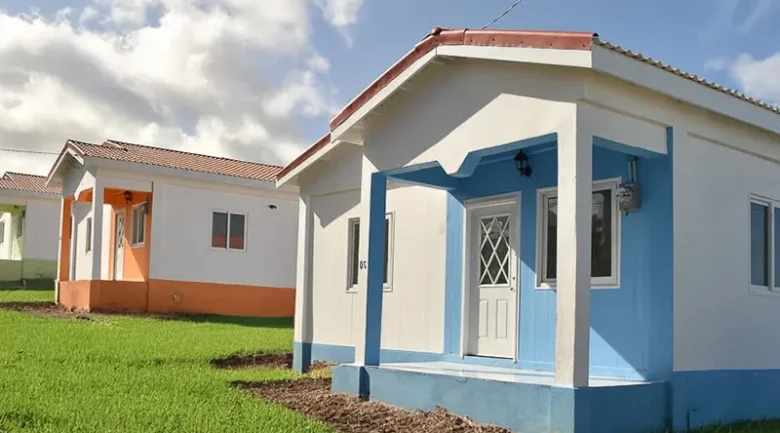
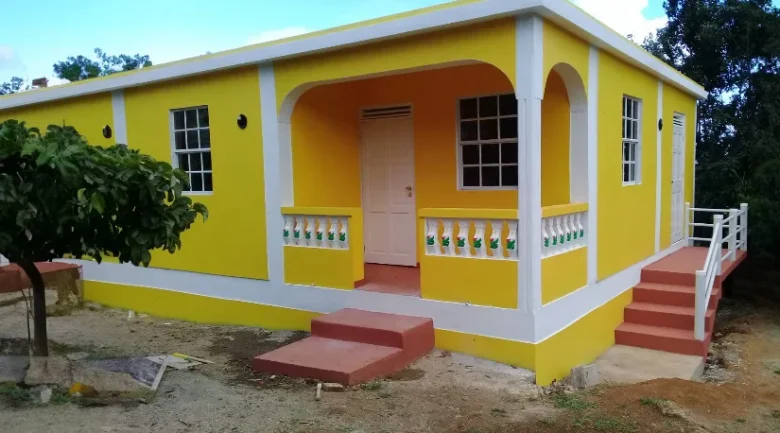
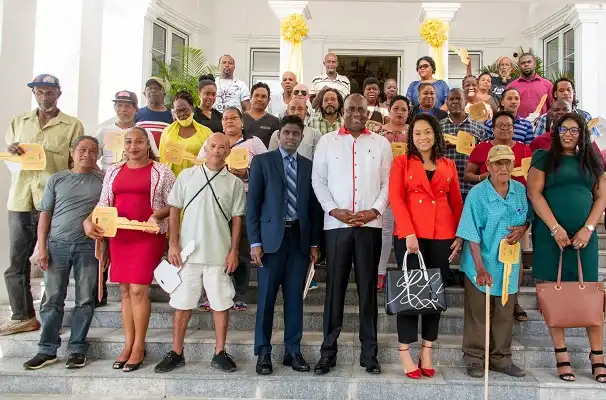
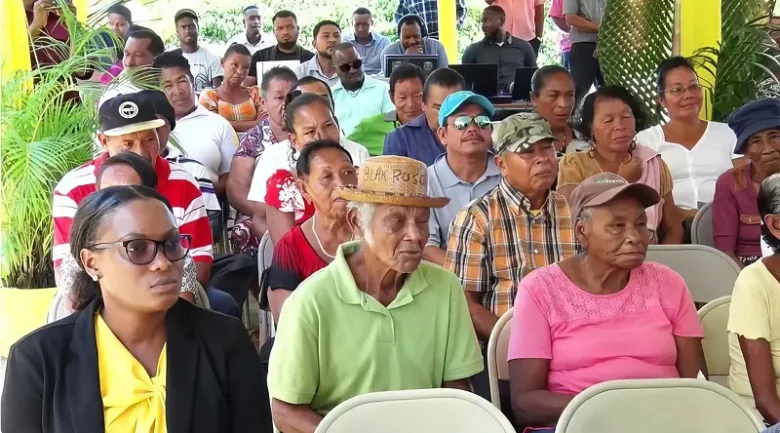
The Housing Revolution Programme is one of Dominica’s most visible and ambitious social development initiatives in the 21st century. Designed to transform the country’s housing landscape, it aims to provide safe, climate-resilient homes to citizens, particularly those most vulnerable to natural disasters and poverty. Spearheaded by the Roosevelt Skerrit administration, the initiative has been central to Dominica’s recovery and resilience-building agenda following Hurricane Maria‘s devastation in 2017.
Goals and Objectives of Dominica’s Housing Revolution Programme
Launched in the wake of repeated disasters, the Dominican Housing Revolution Programme has several interconnected goals:
- Disaster Recovery: Replace homes destroyed or severely damaged by hurricanes, particularly Hurricane Maria.
- Climate Resilience: Construct homes that meet standards for hurricane and earthquake resistance, advancing the goal of making Dominica the world’s first Climate Resilient Nation.
- Poverty Alleviation: Provide decent housing to low-income individuals and families who cannot afford safe structures on their own.
- Community Stability: Rebuild and stabilize communities in rural and urban areas, ensuring displaced families are reintegrated into society with dignity.
- Modern Infrastructure: Improve the quality and consistency of housing infrastructure islandwide, reducing reliance on substandard wooden or galvanized structures.
Implementation and Oversight
The Housing Revolution Programme is managed by the Ministry of Housing and Urban Development, in collaboration with the Ministry of Public Works and the Office of the Prime Minister. Key implementation partnerships have included:
- Montreal Management Consultants Est (MMCE): A Dubai-based firm that has been instrumental in designing and constructing thousands of homes across Dominica.
- Public Works Corporation: Handles oversight and some construction efforts through local contractors.
- Local Councils: Assist with beneficiary identification, site selection, and logistical support within villages and constituencies.
Homes are built using reinforced concrete, with steel doors, hurricane-rated windows, and water storage systems. Many also include backup energy systems and are clustered into housing communities with internal roads, lighting, and drainage systems.
Funding and Scale
The programme is largely funded through Dominica’s Citizenship by Investment (CBI) Programme, particularly the Housing Component of the Economic Diversification Fund. Billions of Eastern Caribbean dollars have been directed toward housing construction since 2017. To date:
- Thousands of homes have been completed across all 21 constituencies.
- Major housing communities have been established in places such as Bellevue Chopin, Cotton Hill (Portsmouth), Grand Fond, Castle Bruce, Jimmit, and the Kalinago Territory.
- Hundreds more are under construction in coastal and interior regions.
Social and Political Impact
The Housing Revolution Programme is a central pillar of the ruling Dominica Labour Party’s social policy platform. It has generated strong political support in rural communities where poverty, vulnerability to disaster, and housing insecurity are persistent challenges. However, the programme has also faced scrutiny from opposition parties and civil society groups over:
- Transparency in the selection of beneficiaries.
- Foreign oversight of construction contracts and the limited role of local contractors.
- Accountability in the use of CBI funds and the pace of project delivery in certain areas.
Despite the critiques, the visible transformation of housing standards and the sheer scale of construction have made the programme one of the most defining efforts of Dominica’s post-Maria rebuilding era.
Broader National Context
The Housing Revolution Programme operates alongside other major national development initiatives such as:
- The Climate Resilience and Recovery Plan (CRRP)
- The work of the Climate Resilience Execution Agency for Dominica (CREAD)
- Infrastructure rebuilding of health centres, schools, and roadways
- Ongoing resettlement of vulnerable communities, including recent IDA-financed relocation projects
The initiative also ties into broader themes of urban planning, environmental sustainability, and decentralization of population centres, particularly as low-lying coastal communities face increased flood risk.
Looking Ahead: Housing as a National Priority
The Housing Revolution Programme continues to evolve, with the government pledging further housing rollouts in upcoming budget cycles. As climate change accelerates and housing remains a pressing need, this programme is positioned to remain at the heart of Dominica’s human development strategy for years to come.


