



Carib Model Village
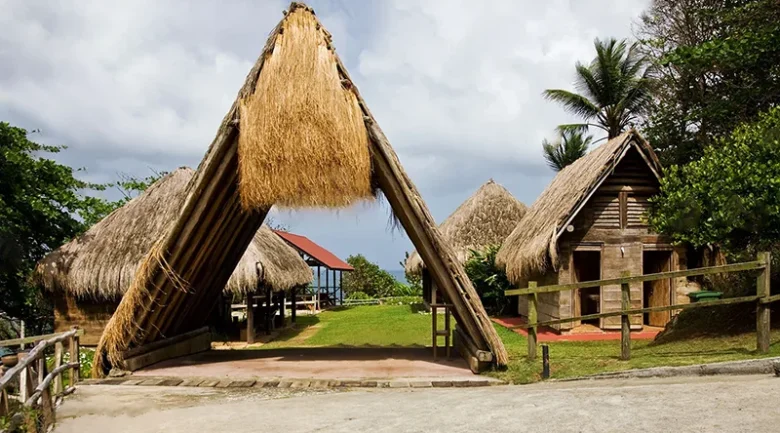
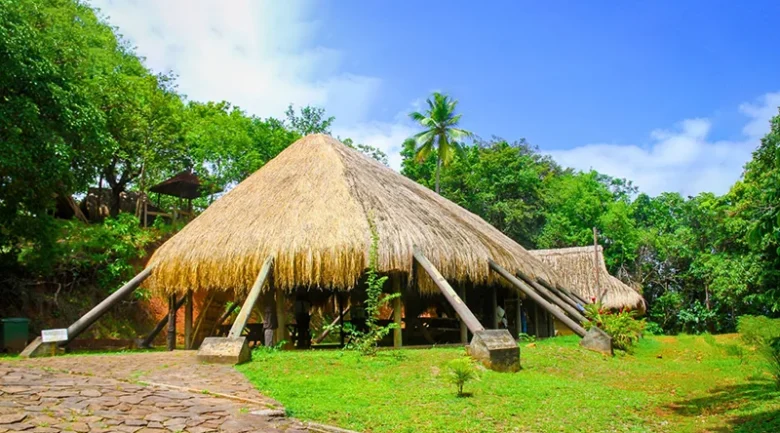
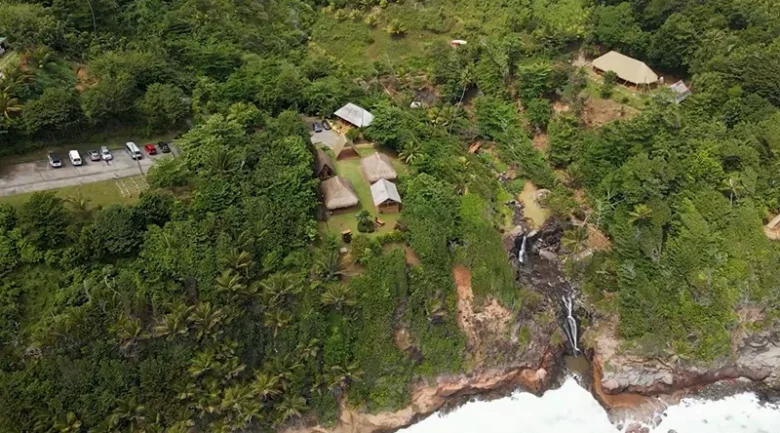
The Carib Model Village represents a profound cultural and historical exploration into the lives, traditions, and resilience of the Kalinago, the last remaining indigenous people of the Eastern Caribbean. While often referred to as the Carib Model Village, the specific and most prominent site is Kalinago Barana Autê, located within the Kalinago Territory of Dominica. Officially opened in 2006, though conceptualised over two decades prior, this living cultural centre is strategically positioned in Salybia, between Crayfish River and St. Cyr, on a dramatic cliff overlooking the Atlantic Ocean. It offers an unparalleled and immersive experience into the resilient traditions, history, and vibrant contemporary life of the Kalinago people, serving as a powerful demonstration of their determination to preserve their heritage and share their ancestral knowledge with visitors.
A Living Cultural Heritage: Carib Model Village
The Carib Model Village functions as an dynamic hub dedicated to the active preservation and promotion of Kalinago Culture. It provides an interactive setting where traditional skills are not merely showcased but vividly demonstrated by community members. Key activities and demonstrations found here include:
- Traditional Canoe Construction: Visitors can observe the crafting of canoes from the Gommier tree, using techniques passed down through generations.
- Cassava Processing: Demonstrations highlight the ancient methods of preparing cassava bread and other staple foods from the manioc tuber.
- Basket Weaving and Pottery: Artisans display their expertise in creating intricate traditional crafts from local, natural materials.
The village aims to provide economic benefits through heritage tourism, offering work and small business opportunities to the Kalinago people and enabling the sale of authentic crafts, traditional foods, and herbs. Its significance extends to educational programs and facilitating research into Kalinago traditions.
Architectural Elements and Natural Integration
The architecture at Kalinago Barana Aute reflects traditional Kalinago building methods, utilizing local natural materials. A prominent feature is the large Karbet, a men’s house where cultural presentations and dances are held. The site’s location is further enhanced by natural features, including the Crayfish River which flows through the area, cascading into the Atlantic at the Isulukati Falls. A series of trails also weave through the lush natural surroundings, connecting visitors with the environment.
Historical Context and Development
The establishment of Carib Model Village was a long-term project, with funding sought from institutions like the Caribbean Development Bank. Its opening in 2006 marked a significant achievement in the Government of Dominica‘s strategy for economic diversification through tourism and prioritizing the Kalinago people’s development. This initiative followed key steps such as the creation of a Department of Carib Affairs in 2000 and the endorsement of a Carib People Development Plan in 2003.
Community, Governance, and Beyond
The Kalinago Territory itself, a 3,700-acre district, is communally owned and governed by a democratically elected chief and council. Apart from the Kalinago Barana Aute, other cultural sites like the Touna Kalinago Heritage Village near the Pagua River also exist, further showcasing Kalinago way of life. These efforts collectively contribute to strengthening the Kalinago community, fostering cultural continuity, and sharing their unique story with the world.
Modern Initiatives and Support
Modern initiatives within the Kalinago Territory actively support the rediscovery and preservation of Kalinago Culture. Organizations such as the Kalinago Development Fund and government ministries, including the Ministry of Agriculture, Fisheries, Blue and Green Economy, provide crucial support. These partnerships ensure the sustainability of cultural sites like Kalinago Barana Aute and promote socio-economic growth within the community.
Cultural Tourism plays a vital role in supporting the Kalinago community, offering visitors authentic experiences while providing economic opportunities. Guided tours are common, providing insights into the history, language, and customs from local Kalinago guides. This direct engagement ensures that tourism benefits the community directly, reinforcing the value of their cultural offerings.


