
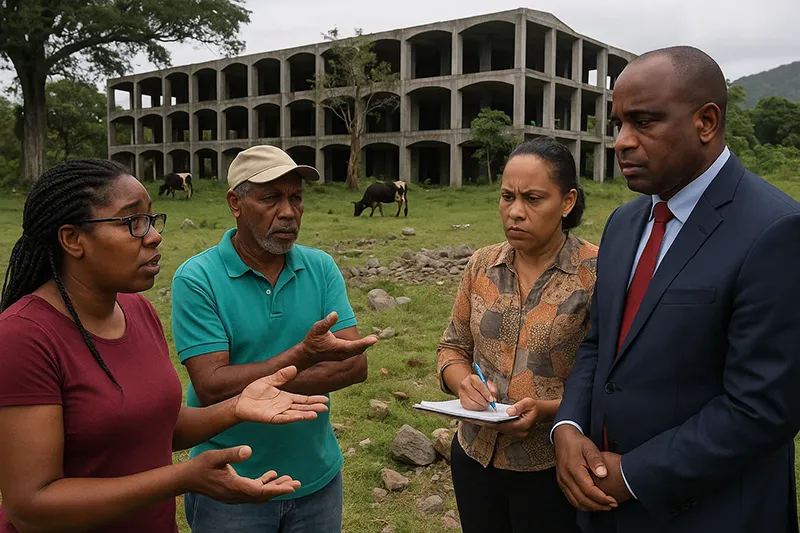
Over the years, Dominica has become a hub for development projects, many of which are funded by international donors, implemented through NGOs, and endorsed by government ministries. On paper, the alignment of resources, capacity, and political will should have yielded visible progress in livelihoods, housing, climate resilience, and education. Yet the lived reality for many community groups and civil society leaders tells a very different story, one marked by frustration, fatigue, and a growing loss of faith in the system.
The tension between civil society and state institutions has become increasingly difficult to ignore. Many NGO leaders privately describe a pattern of being sidelined or tokenised, invited to consultations only after key decisions have been made, or pressured into compliance through bureaucratic gatekeeping. There’s a perception that development has become less about genuine collaboration and more about who controls the narrative, and, crucially, the funds. As a result, trust is wearing thin, particularly when grassroots groups witness the same ministries being involved in multiple failed or short-lived initiatives.
The troubling trend of unsustainable project models compounds this erosion of confidence. Some interventions arrive with splashy launches and brief bursts of activity, only to fade away once the funding cycle ends. Schools once equipped with new resources go unmaintained. Training programs end without pathways to employment. Infrastructure remains incomplete. In many cases, communities are left to wonder what happened to the promises once made under banners of transformation and empowerment.
Civil society actors are increasingly pointing to a structural flaw: the overreliance on externally driven timelines and top-down frameworks that leave little room for local ownership. Projects become abstract checklists rather than organic responses to community needs. The result is a revolving door of development, busy but not always beneficial.
It’s not that Dominica lacks capable NGOs or passionate community leaders. Our island is rich in both. What it lacks is a system that treats those groups as equal partners rather than beneficiaries or sub-contractors. For development to be meaningful and lasting, civil society must be integrated from the start, co-designing, co-implementing, and co-monitoring initiatives.
True sustainability will not come from more reports or compliance workshops. It will come when communities trust that their voices matter, that their knowledge is valued, and that their contributions are not just acknowledged but institutionalised. Without that foundation, no amount of donor funding can deliver the development Dominica deserves.
This article is copyright © 2025 DOM767