


You can’t talk about rural employment in Dominica without talking about farming. For generations, agriculture put food on the table and kept villages alive. But let’s be honest, those days feel like a lifetime ago. Now we’re talking about “initiatives” and “revitalisation programs” as if they’re magic wands.
I’m not saying these projects are worthless; some of them have teeth. Youth farming programs, agro-processing ventures, and high-value crop investments could help. But here’s the part no one likes to admit: it’s not just about what government or private investors do. It’s also about whether Dominicans are willing to roll up their sleeves for the kind of work farming really is. And that’s where it gets complicated.
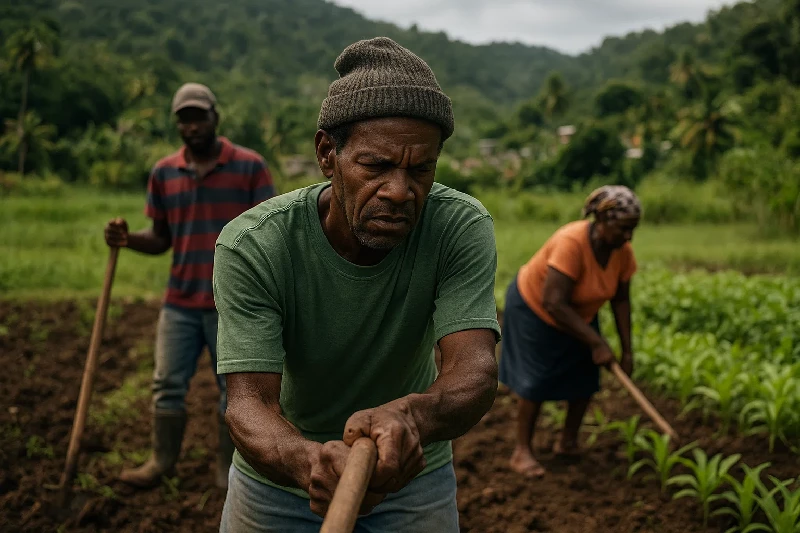
We’ve got young people who want stable jobs but who also want air-conditioned offices, quick promotions, and salaries that match international standards. Agriculture isn’t glamorous. It’s long days, unpredictable weather, and a lot of physical effort. If we can’t make that reality more appealing, whether through better pay, modern equipment, or actual career paths, then all the funding in the world won’t keep people on the land.
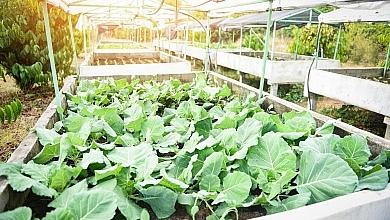
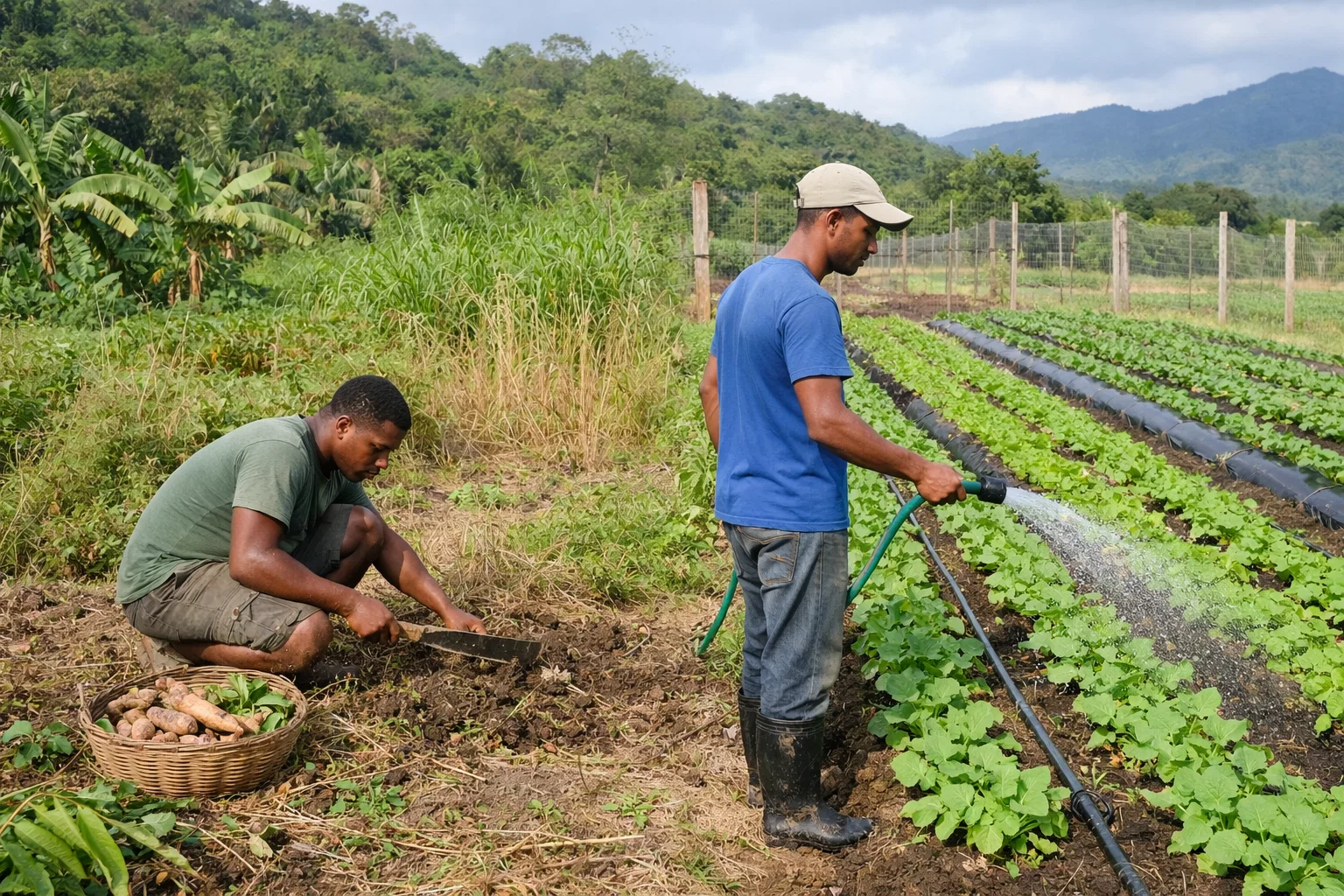
Still, I see potential. When done right, modern agriculture isn’t just cutlass and hoe anymore. Greenhouses, irrigation systems, and mechanized tools make farming more efficient. Processing plants can turn surplus into value-added products that fetch higher prices. This could mean more than just jobs in the fields, it could open opportunities in logistics, marketing, and export. That’s how you start building a rural economy that feels like it has a future.
But let’s not pretend the challenges aren’t massive. Poor road networks, unreliable transport, and markets that don’t guarantee fair prices make it hard for farmers to stay motivated. Climate change keeps throwing curveballs; one hurricane can undo an entire five (5) year business effort. And while some of our leaders love to talk about “feeding ourselves,” the follow-through on infrastructure and marketing support is often slow.
The big question is whether these initiatives are designed to actually keep people in rural communities long-term, or if they’re just pilot projects that make for a good photo op. Reversing decades of decline isn’t going to happen with a few scattered programs. It needs a sustained push: training young farmers, giving them secure access to land, building storage and processing capacity, and, maybe most importantly, ensuring they can sell their products for a decent profit.
I’m hopeful, but I’m not naive. Agriculture could absolutely help reverse rural job losses, but it will take a cultural shift just as much as it will take investment. People have to see farming as a business, not a fallback. Until that happens, we’ll keep having the same conversation every few years while the hills grow quieter and the villages shrink.
This article is copyright © 2025 DOM767