
What should have been a moment of national pride has somehow turned into one of those uncomfortable Dominican quarrels that leave people shaking their heads and wondering how we manage to complicate our own victories.
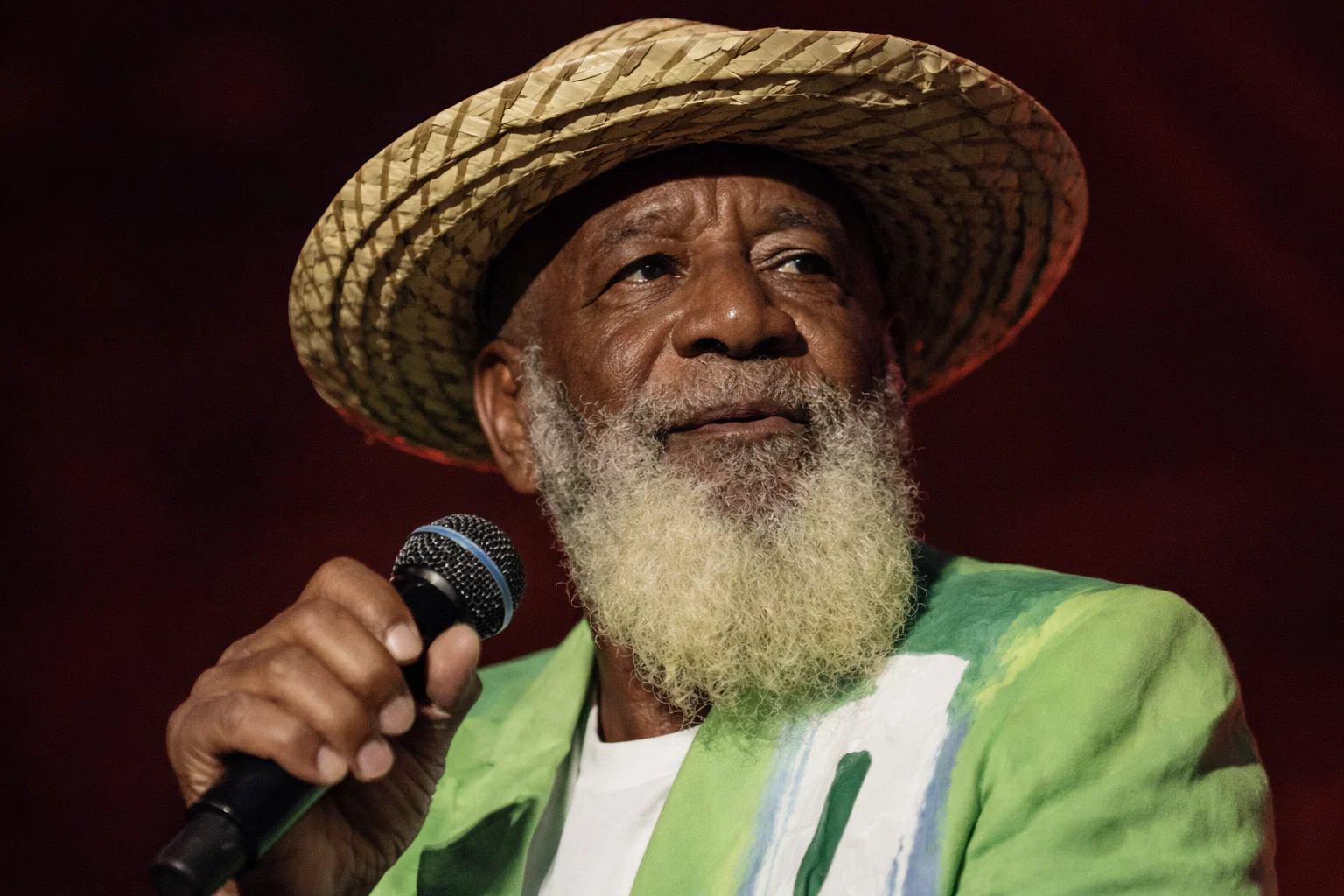
The issue now circulating across social media concerns the use of the song “Ai Dominique,” originally performed by Ophelia Marie, in a motivational video produced during the 2024 Paris Olympic Games. According to the explanation coming from the Dominica Olympic Committee, the video was created in Paris using Dominican music from several bands and artists to inspire athletes and supporters as the country prepared for the Games. Permission was reportedly obtained from producer Cornel Phillip for the version used, since the track came from his 2008 album Interpretations.
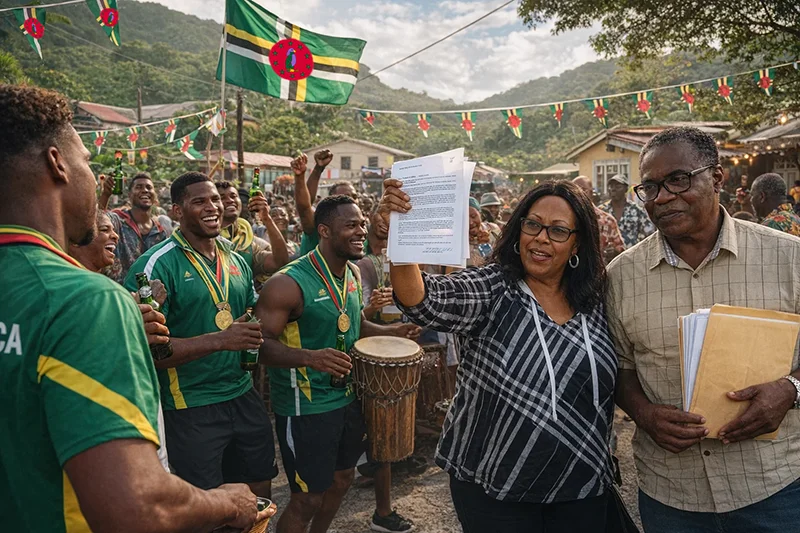
At that time the intention, according to those involved, was not commercial promotion but national encouragement. Dominica was heading into an Olympic campaign where hopes were high but history had not yet been written. The music, they say, helped create the atmosphere that carried athletes forward, culminating in Thea LaFond-Gadson winning Dominica’s first Olympic gold medal, an achievement that many consider one of the most significant moments in the country’s sporting history.
From Olympic Celebration to Copyright Conflict
Under ordinary circumstances that might have been the end of the story. Instead, it became the beginning of something else. Within days of the video circulating, a demand reportedly arrived requesting EC$15,000 for copyright infringement. The video was immediately withdrawn out of caution, and meetings were later held in Dominica to clarify the situation. What those discussions revealed was that the matter was not simply about a misunderstanding over permission. It appears to involve a deeper dispute about ownership and publishing rights connected to the song itself.
The issue has now escalated far beyond a private disagreement. Legal proceedings have reportedly been initiated not only against the Dominica Olympic Committee but also against the producer whose version of the song was used. What began as a motivational project tied to the Olympic campaign has therefore developed into a formal legal matter involving copyright claims and financial demands that later rose significantly beyond the original request.
Dominicans understand that artists deserve protection for their work. Copyright law exists for a reason. Musicians, writers, and creators have the right to control how their work is used and to receive compensation when it is exploited commercially. No serious society argues against that principle. At the same time, the circumstances of this case place the discussion in a different context, as the video was created during an Olympic campaign openly framed as national encouragement rather than commercial advertising.
A Song That Belongs to More Than One Story
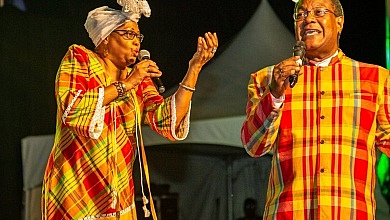
Another reason the matter has stirred such strong reactions is that “Ai Dominique” is not simply another recording sitting in a catalogue. It is one of those rare pieces of music that long ago crossed the line from individual performance into national symbol. Generations of Dominicans have sung it at school events, public celebrations, and moments when the country tries to remind itself who it is.
When something that deeply woven into national identity suddenly becomes the centre of litigation, the reaction among the public is almost inevitable. People begin asking whether a legal dispute, however justified on paper, risks overshadowing the very national pride that the song helped create. That tension now sits uncomfortably in the middle of the discussion. On one side are the rights of the artist and publisher, which must be respected. On the other side is the feeling that this particular moment, tied to Dominica’s first Olympic gold medal, represented something larger than commercial use of music.
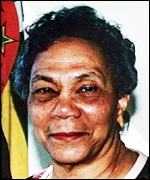
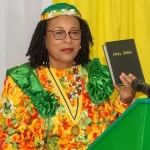
What makes the situation even more delicate is the personal respect many Dominicans hold for Ophelia Marie herself. She is widely recognised as one of the great voices of Dominican music, a cultural figure whose contributions helped shape the island’s musical identity. For decades she has been embraced not only as a performer but as a symbol of Dominican artistic pride. That is why the current dispute feels so uncomfortable, because it places two institutions that many Dominicans admire, the country’s sporting leadership and one of its most respected musical icons, on opposite sides of a courtroom.
Perhaps the courts will eventually clarify the legal questions about copyright, attribution, and publishing rights. That is their role. But the deeper issue may not be resolved so easily. For many people watching this, the uncomfortable thought remains that a moment which united Dominicans across the world, from the stadium in Paris to small homes across the island, has now been pulled into a dispute that risks dividing the very pride it once helped inspire. And that, more than the legal arguments themselves, is what leaves many Dominicans quietly wondering how a song that celebrates the country ended up at the centre of a national quarrel.
This article is copyright © 2026 DOM767