


Dominica’s emergency shelter system has undergone major improvements since Hurricane Maria, with officials reporting a significant reduction in the number of people expected to require state shelters during major disasters.
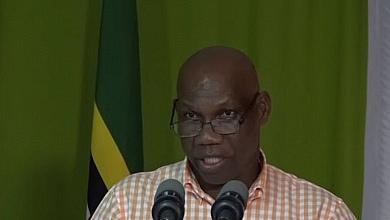
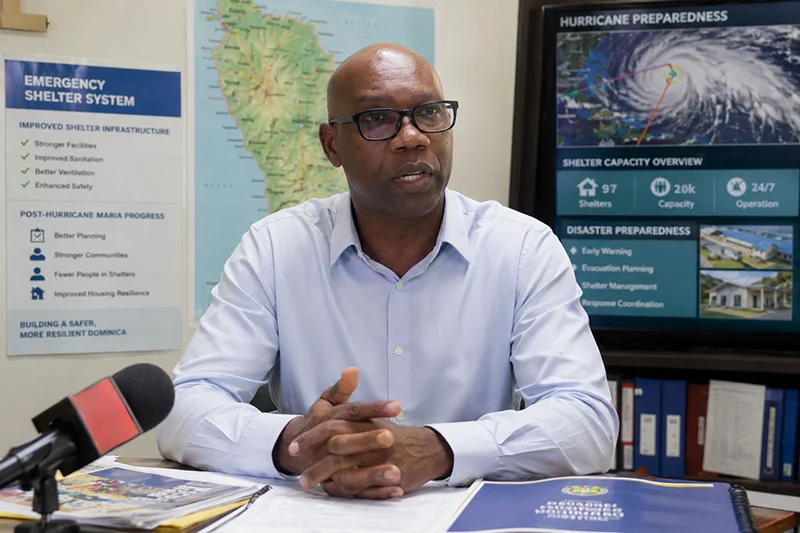
Local Government Commissioner Glenroy Toussaint said the country’s shelter infrastructure and resilient housing stock have steadily improved over the past several years as part of broader national recovery and disaster preparedness efforts.
Speaking on the Office of Disaster Management’s “Disaster and You” programme, Toussaint explained that immediately before Hurricane Maria in 2017, Dominica operated approximately 147 emergency shelters while nearly 20,000 people were expected to require accommodation during severe weather events.
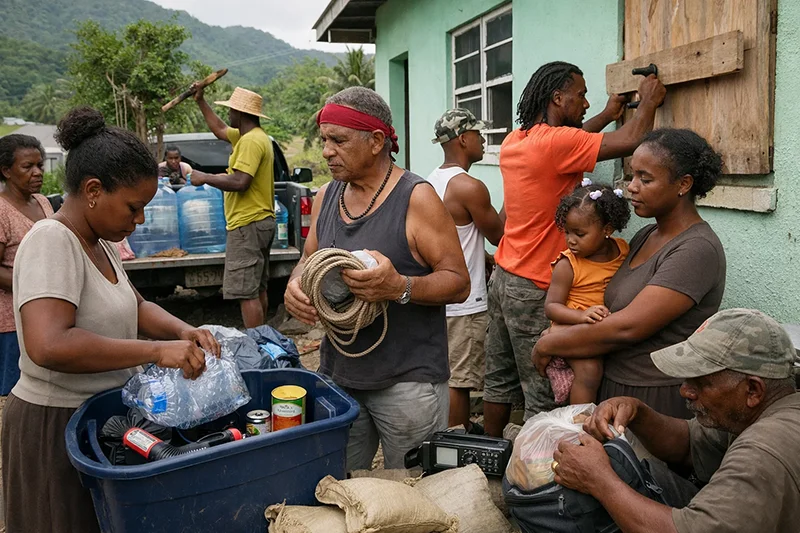
Nearly a decade later, officials say the situation has changed considerably. Dominica has designated 97 emergency shelters for the 2026 hurricane season, but authorities believe far fewer people now depend on emergency shelters because of improvements in housing resilience and government-supported rebuilding programmes.
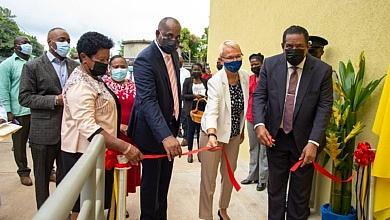
Toussaint credited the changes largely to post-Maria reconstruction initiatives, including the construction of climate-resilient homes and apartment buildings for vulnerable families, as well as the development of three regional emergency shelters in Jimmit, Layou, and Castle Bruce.
“So all of those factors have significantly helped in improving our shelter stock in Dominica,” he explained while emphasising that annual upgrades continue throughout the shelter network.
The announcement comes as regional meteorological agencies and disaster officials continue urging Caribbean countries not to lower their guard ahead of the 2026 Atlantic hurricane season despite some forecasts predicting below-normal storm activity.
For Dominica, disaster preparedness remains a particularly sensitive national issue following Hurricane Maria’s catastrophic impact in September 2017, when thousands of homes were damaged or destroyed, and emergency shelters became overcrowded across the island.
Today, however, officials say the country’s disaster response model is increasingly shifting away from dependence on mass shelters toward stronger community resilience, improved housing standards, regional emergency facilities, and faster local response systems designed to reduce vulnerability before storms even arrive.
This article is copyright © 2026 DOM767