
Suicide in Dominica
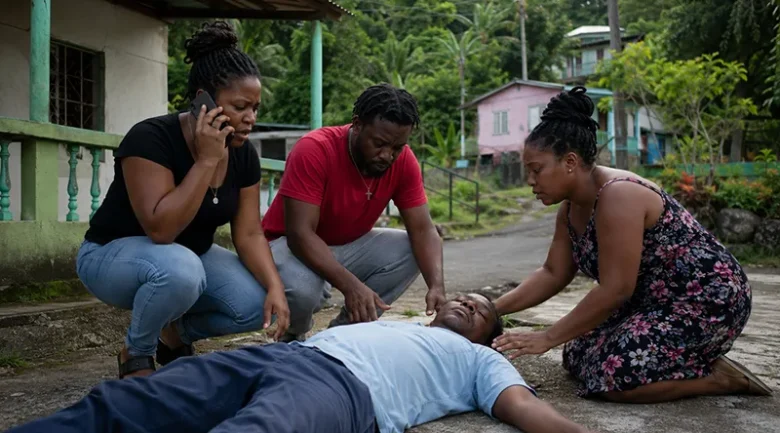
Suicide is not a critical public health and social issue within the Commonwealth of Dominica. This is because the island nation exhibits relatively low absolute numbers of suicides compared to global averages; the phenomenon carries profound socio-economic and psychological impacts due to Dominica’s tight-knit, small-island societal structure.
The management of suicidal behaviour, clinical depression, and self-harm falls under the jurisdiction of the Ministry of Health, Wellness and Social Services, operating in tandem with non-governmental organizations (NGOs) and community networks. Addressing suicide in Dominica requires navigating distinct cultural stigmas, historical patterns of substance use, acute climate-induced trauma, and a public health system traditionally optimised for physical rather than psychological interventions.
Statistical Profile and Demographic Indicators
According to consolidated data tracking from global health organisations, Dominica maintains a baseline suicide mortality rate of approximately 4.2 to 4.8 deaths per 100,000 population. While statistically lower than macro-regional averages across the wider Americas, these figures obscure specific localised vulnerabilities, gender-based asymmetries, and persistent recording constraints that public sector agencies work continuously to resolve.
Statistical analyses of self-harm patterns on the island reveal distinct operational realities regarding gender distribution and lethal means.
Gender Asymmetry and the Paradox of Self-Harm
In alignment with global clinical trends, Dominica exhibits a pronounced gender asymmetry in suicidal behaviour. Public health registries indicate that women record higher baseline rates of non-fatal suicidal ideation and reported self-harm interventions.
Conversely, men account for the vast majority of completed fatalities. This paradox is driven by a strong cultural reluctance among males to engage with formal psychological support systems, combined with a statistical preference for highly lethal, irreversible methods of self-harm.
Primary Methods and Regulatory Countermeasures
The physical methods utilized in fatal self-harm acts are deeply tied to the island’s socioeconomic layout and geographic traits:
- Agrochemical Ingestion: Due to the historically dominant agrarian economy across rural communities such as Marigot, San Sauveur, and Castle Bruce, acute self-poisoning via agricultural chemicals, particularly restricted herbicides, paraquat formulations, and unapproved pesticides, served as a primary method of impulsive suicide.
- Asphyxiation by Hanging: Documented consistently by the Commonwealth of Dominica Police Force across both rural and urban areas, hanging remains the most prevalent physical mechanism of completed suicide.
- Access Restrictions: To mitigate high-lethality risks, the Pesticides Control Board (PCB), operating under the statutory mandate of the Pesticides Control Act No. 15 of 1974, enforces rigid boundaries on the importation, commercial licensing, and storage of toxic substances. The board actively coordinates chemical buy-back programs and mandates secure, locked storage systems on agricultural holdings to restrict easy access to lethal means.
Underreporting and Classification Challenges
Public health experts and data analysts note that official statistical metrics may underrepresent the absolute scope of suicidal behavior in Dominica. Deeply rooted religious frameworks, coupled with historical social stigma, create a complex landscape for surviving families.
Consequently, borderline fatalities, such as single-occupant vehicular impacts along mountainous roads or isolated drownings along the island’s numerous river basins, are occasionally classified by official records as accidental occurrences rather than intentional self-harm. This structural pattern protects surviving relatives from localised social ostracisation.
Socio-Cultural Drivers and Risk Factors
Suicidal intent within the Dominican population is accelerated by specific environmental traumas, economic pressures, and rigid cultural expectations.
Climate-Induced Trauma and Eco-Grief
Dominica’s acute vulnerability to catastrophic weather events introduces a profound layer of psychological stress unique to Small Island Developing States (SIDS). The severe devastation of Category 5 Hurricane Maria in 2017 destroyed an estimated 90% of the island’s housing stock and wiped out the agricultural sector, causing widespread population displacement.
Clinical evaluations following the disaster identified distinct spikes in Post-Traumatic Stress Disorder (PTSD), severe depressive episodes, and existential “eco-grief” among farming communities and coastal populations who suffered a sudden loss of livelihood, creating long-term vulnerabilities in the national mental health profile.
The Hyper-Masculinity Barrier
Traditional West Indian cultural concepts of masculinity place a high premium on emotional stoicism, absolute self-reliance, and physical or economic dominance.
When men face systemic economic disruptions, chronic unemployment, or sudden relational breakdowns, they frequently internalize severe emotional distress. Seeking clinical counseling or verbalizing psychiatric vulnerability is widely stigmatized as a profound personal weakness, resulting in severe emotional isolation and a higher statistical propensity for sudden, fatal self-harm.
Substance Abuse Comorbidity
There is a high statistical correlation between chronic substance dependence and fatal self-harm on the island. Heavy, localized alcohol consumption is frequently utilized as a maladaptive, informal self-medication strategy for undiagnosed clinical depression and localized anxiety. Because acute alcohol intoxication impairs cognitive control and acts as a severe behavioral disinhibitor, it frequently escalates transient, passive suicidal thoughts into impulsive, fatal actions.
Public Perception, Societal Impact, and Empathy
Shifting public attitudes toward mental health crises in Dominica reflects a balance between historical stigma and deep-rooted communal support.
The Cultural Framework of Community Care
At the grassroots level, Dominican society is structurally organised around the principle of koudmen, a traditional Creole concept of collective community assistance and mutual aid. When families experience a mental health crisis, neighbouring networks often step in to provide immediate, informal support systems, childcare, and basic nutritional assistance.
Furthermore, civil society groups emphasize that developing real solutions requires cultivating a culture of active empathy. Rather than viewing a self-harm crisis as a personal moral failure or a spiritual affliction, public discourse is gradually shifting toward understanding suicidal behavior as a medical emergency requiring collective care, patience, and structured psychiatric intervention.
Societal Cost of Mental Health Crises
The broader impact of unaddressed suicidal behavior reverberates across the country’s social fabric. Beyond the immediate trauma inflicted on surviving families, completed suicides strip small, tightly-knit villages of vital agricultural producers, parents, and community leaders.
In urban centers like Roseau, public self-harm crises strain local emergency services and highlight the critical need for visible, empathetic, and easily accessible crisis hotlines to capture individuals before they reach a point of absolute despair.
The Mental Health Care Infrastructure
Dominica has historically operated under a decentralised primary healthcare model, which is undergoing structural modernisation to better integrate psychiatric care.
The Acute Psychiatric Unit (APU)
The primary facility for secondary psychiatric intervention and acute suicide-risk stabilisation is the Acute Psychiatric Unit (APU), located within the campus of the Dominica China Friendship Hospital (DCFH) in Goodwill. The APU provides short-term inpatient care, medical detoxification, and psychiatric evaluation for individuals presenting with active suicidal ideation or surviving self-harm attempts.
Community Mental Health Services
To bridge the gap between the capital and rural parishes, the Ministry of Health deploys a team of district psychiatric nurses who travel to localised health centers across the island’s seven health districts. These teams conduct community outreach, monitor high-risk outpatients, and manage long-term psychiatric pharmaceutical distribution, playing a vital role in early suicide intervention at the village level.
National Prevention Strategies and Challenges
National efforts to permanently lower the incidence of suicidal behavior focus on legal decriminalization, localized non-profit hotlines, and systemic health reforms.
Decriminalization of Suicide
Historically rooted in colonial English common law traditions, attempting suicide was technically classified as a summary criminal offense in many early Caribbean penal codes.
In modern legal practice, Dominica treats self-harm exclusively as a severe medical and psychological crisis. Individuals who survive a self-harm attempt are met with emergency psychiatric care and social work interventions rather than criminal prosecution or judicial penalties, removing the fear of legal liability for persons seeking life-saving medical help.
Civil Society and Lifeline Dominica
Because statutory medical systems face structural capacity limits, non-governmental organisations play a vital role in suicide prevention. Lifeline Dominica operates a dedicated, confidential telephone helpline (767-317-3030) that provides critical psychological support, psychological first aid, and direct referral pathways to statutory social services.
While the helpline primarily focuses its core intake on survivors of domestic violence, rape, and gender-based abuse, its volunteer network works closely with local radio broadcasts and community leaders to de-stigmatize mental health conditions, identify early warning signs of deep depression, and build empathetic support networks across vulnerable parishes.