


Dominica is taking steps to modernize its approach to chemical safety and waste management through the review and updating of its National Implementation Plan under the Stockholm Convention, an international treaty aimed at reducing the impact of hazardous pollutants on human health and the environment.
The initiative was highlighted during a two-day national training workshop organized to strengthen the country’s capacity to address persistent organic pollutants and emerging environmental risks. Officials say the exercise forms part of a broader effort to ensure that Dominica’s environmental policies remain aligned with evolving international standards and obligations.
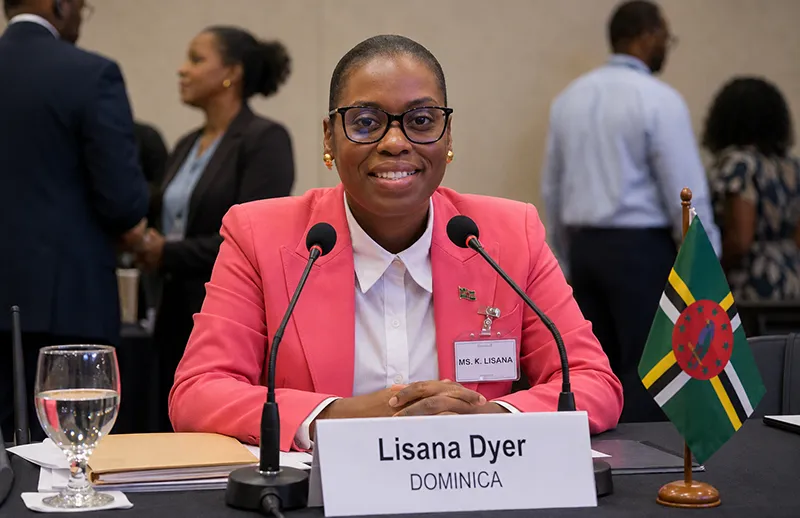
Senior Policy Advisor in the Ministry of Environment, Lisana Dyer, described the review process as an important opportunity for Dominica to assess existing systems and identify areas requiring improvement.
“This workshop represents an important step in strengthening Dominica’s capacity to effectively manage chemicals and waste while meeting our obligations under the Stockholm Convention,” Dyer said.
National Implementation Plans serve as the primary framework through which countries identify sources of hazardous pollutants, establish management strategies and coordinate actions among government agencies and stakeholders. Officials say updating the plan will help improve national coordination, strengthen data collection and reporting systems, and support evidence-based decision-making.
The project is being executed by the Basel Convention Regional Centre for Training and Technology Transfer for the Caribbean and forms part of a wider Global Environment Facility-funded programme valued at more than US$8 million. Twenty-one countries are participating in the initiative worldwide, with Dominica and the Bahamas representing the Caribbean region.
Participants at the workshop explored issues related to chemical management, hazardous waste disposal, regulatory requirements and cooperation among institutions responsible for environmental protection. Discussions also examined opportunities to strengthen links with other international agreements governing waste management, pollution control and environmental health.
Officials believe the updated framework will better position Dominica to respond to emerging environmental challenges while protecting public health, natural resources and ecosystems from the long-term effects of harmful chemical pollutants.
This article is copyright © 2026 DOM767