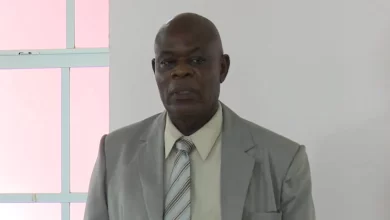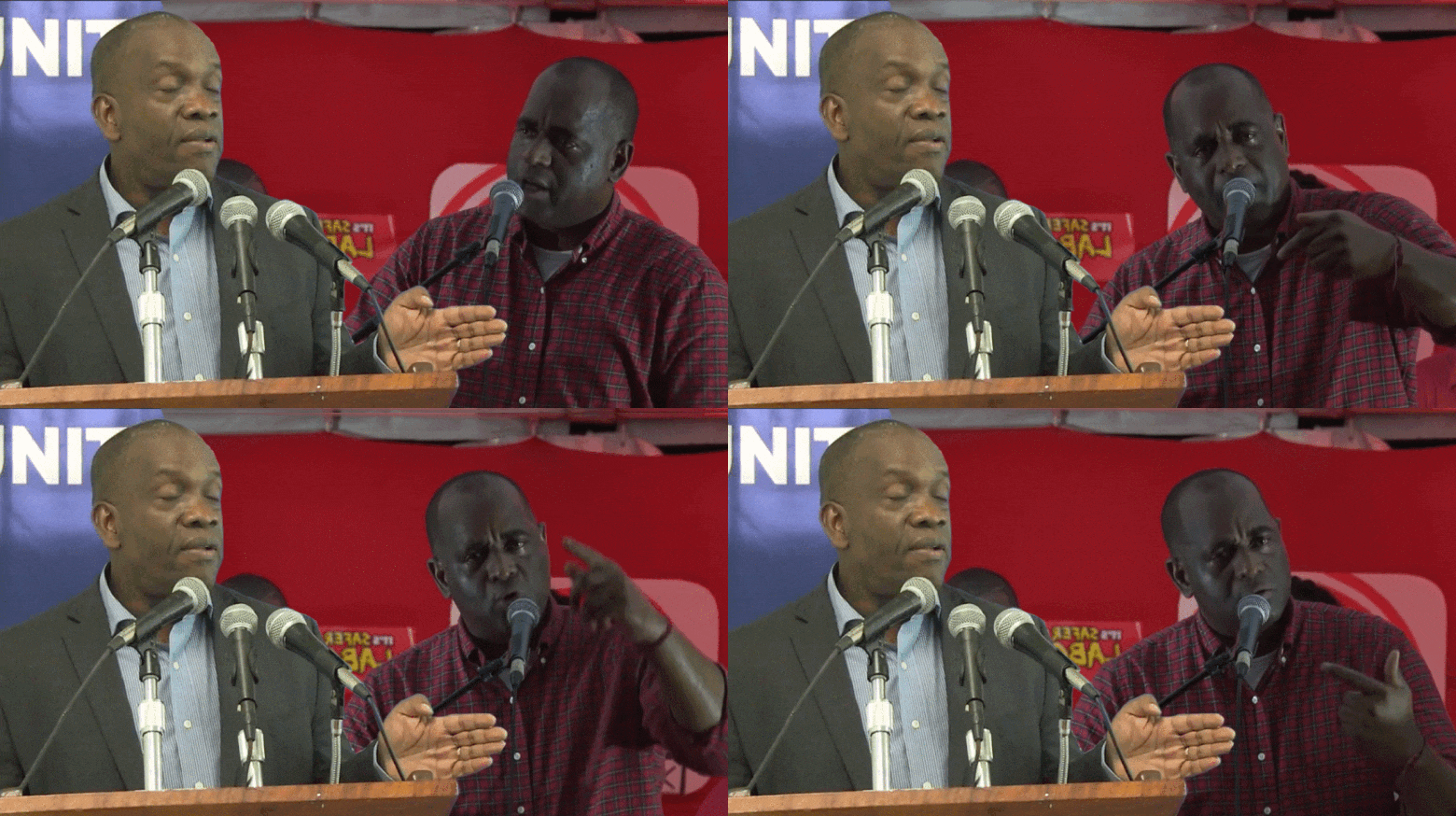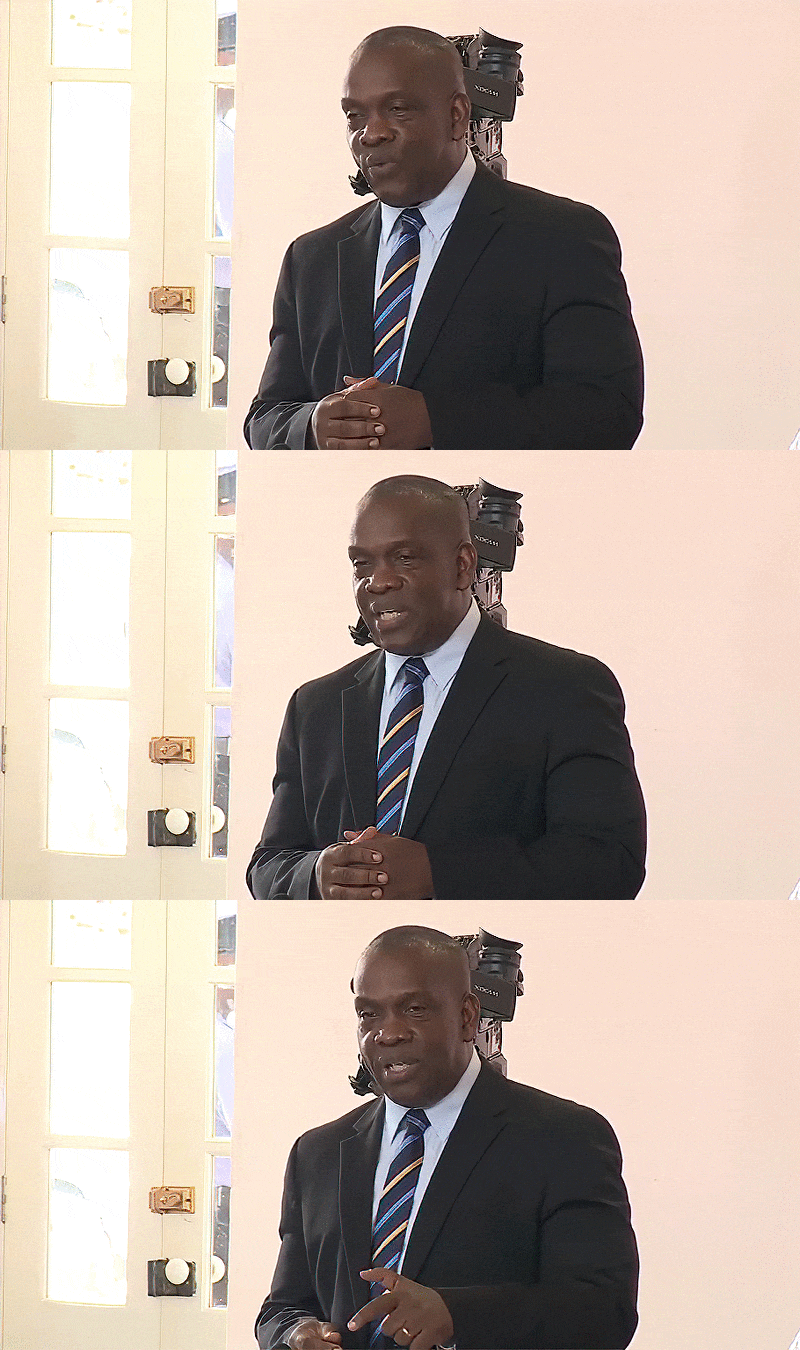


I have been listening to the discussion surrounding Lennox Linton‘s attendance at the recent budget consultation, and the more I listen, the more I find myself puzzled by the reaction rather than the event itself. From the way some people are talking, you would think Lennox had announced a political conversion, accepted a Cabinet position, and signed a coalition agreement all in the same afternoon. In reality, what happened appears far less dramatic. A man attended a consultation, offered his views, and left. Yet somehow that has become one of the biggest political discussions in the country.
Perhaps what surprises me most is that so many people seem shocked by behaviour that is entirely consistent with who Lennox Linton has been for decades. This is a man who spent years arguing that governments should consult more broadly, listen to alternative voices, and involve a wider cross-section of Dominican society in important national discussions. He repeatedly criticized administrations for making decisions without adequate consultation. If somebody who has held that position for years receives an invitation to participate in a consultation and chooses to attend, it is difficult to understand why that suddenly becomes controversial. If anything, refusing to attend would have required far more explanation than attending.
What I suspect is happening is that people are reacting not to the consultation itself, but to the fact that Lennox remains a significant figure in Dominican public life. Every time his name enters the news cycle, conversations begin. Every time he participates in a national discussion, social media comes alive with theories, interpretations, and speculation. Every statement he makes attracts supporters, critics, analysts, and commentators eager to explain what they believe is really happening behind the scenes. That level of attention is not usually reserved for people who have become politically irrelevant.
In fact, there is a certain irony in watching people insist that Lennox no longer matters while simultaneously spending days discussing his every move. If a person can attend a consultation and immediately become the subject of national debate, then that person clearly continues to occupy an important place in the public consciousness. Whether one agrees with his positions or not, it is difficult to deny that he still commands attention in a way very few Dominican political figures can.
Of course, there is another side to this conversation. Some people argue that Lennox’s attendance creates complications for Thomson Fontaine and the current leadership of the opposition. There may be some truth in that observation. Whenever a former leader remains highly visible and politically influential, comparisons are inevitable. People naturally begin asking questions about leadership, direction, influence, and who truly represents the future of a political movement. Those questions are not unique to Dominica. They arise in political parties all over the world whenever a former leader continues to attract significant public attention after stepping aside.
At the same time, I am not convinced that this is really Lennox’s problem to solve. Thomson Fontaine’s leadership journey is his own, just as Lennox’s public role is his own. The assumption that every action taken by one man must be measured against its impact on another can sometimes lead us into strange territory. If Lennox believes he has ideas worth contributing to a national discussion, should he remain silent because somebody might interpret his participation politically? That seems like an unreasonable burden to place on any citizen, particularly one who has spent years engaging in public affairs.
Perhaps the most revealing aspect of this entire episode is how quickly people filled the gaps with their own assumptions. Some opposition supporters saw betrayal where others saw patriotism. Some government supporters saw opportunity where others saw maturity. Many people appeared less interested in what was actually said during the consultation than in constructing elaborate theories about what the attendance supposedly means. It is almost as though the consultation itself became secondary to the narratives people wanted to create around it.
The more I think about it, the more I come back to a simple conclusion. Lennox Linton has reached a stage in public life where he no longer needs anyone’s permission to participate in national discussions. People may disagree with his choices, criticize his judgment, or question his motives, but he has earned the right to decide when he wishes to contribute and when he prefers to remain silent. That does not mean everyone must agree with him. It simply means that attendance at a consultation should not automatically be treated as evidence of some deeper political mystery.
In the end, what happened seems remarkably straightforward. Lennox Linton was invited to a discussion, participated in it, and expressed his views. The truly fascinating part is not that he attended. The fascinating part is that, years after leaving frontline political leadership, he still possesses the ability to walk into a room, leave a meeting, and have the entire country arguing about it for the rest of the week.
This article is copyright © 2026 DOM767